
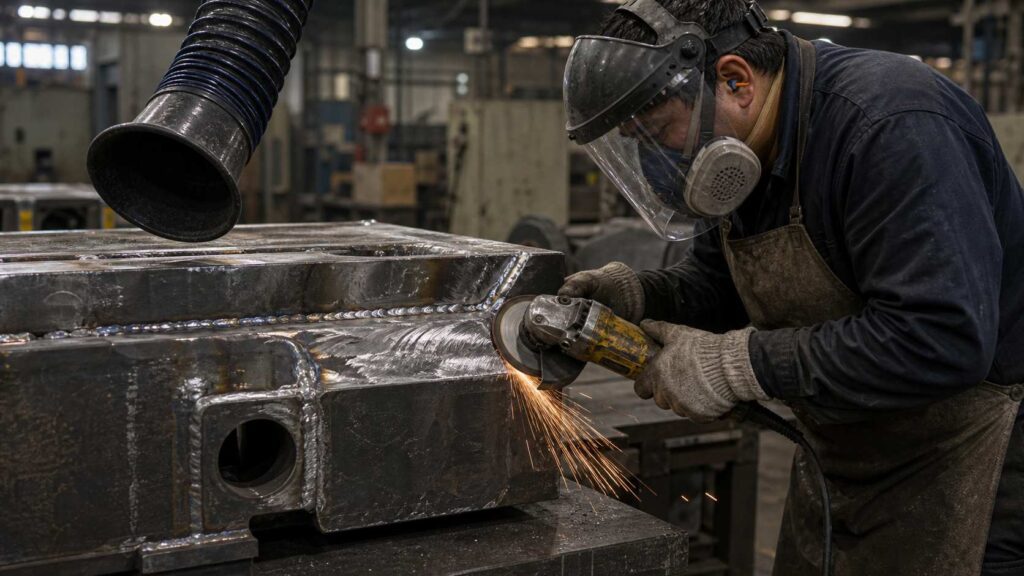
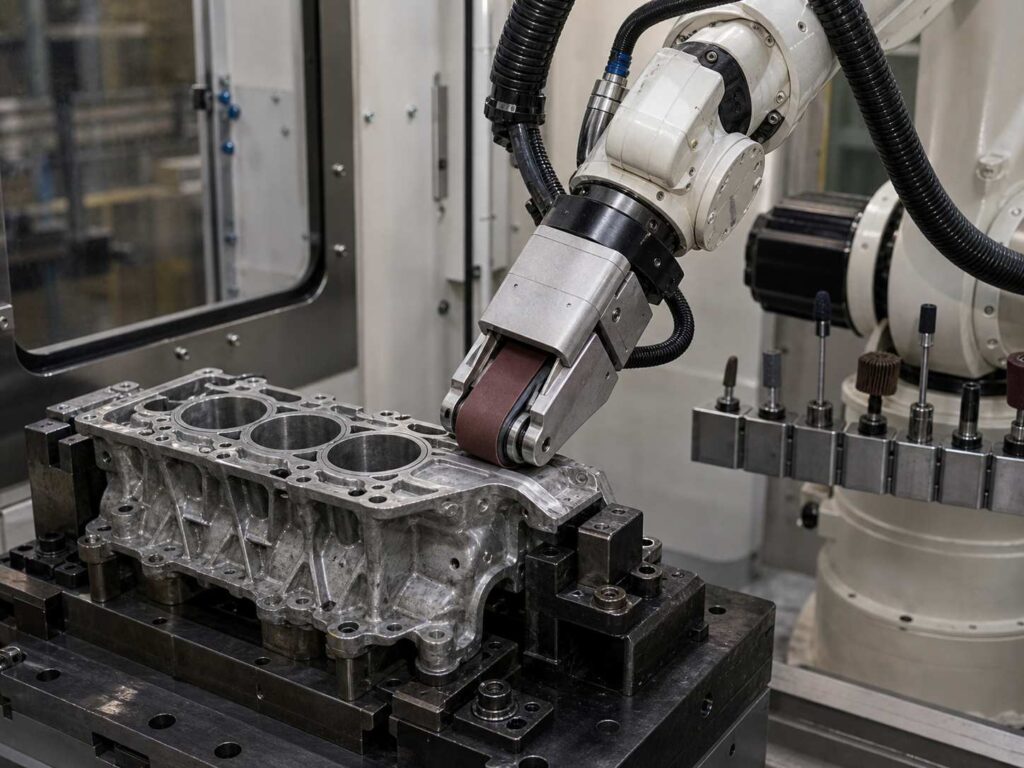
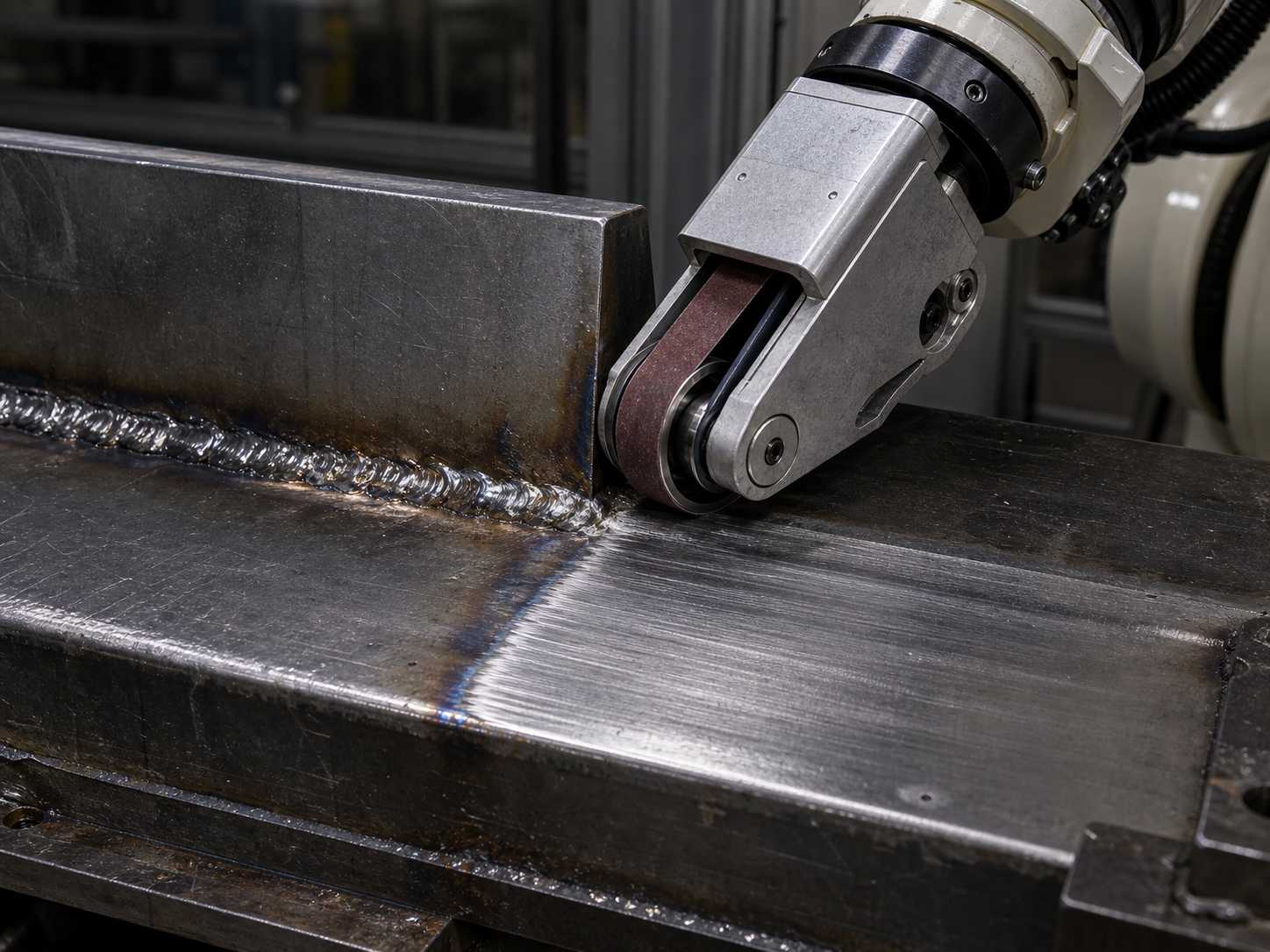
Weld Seam Blending
Blend raised weld beads, smooth transition areas, and prepare fabricated parts for coating or final finishing with repeatable robotic grinding paths.
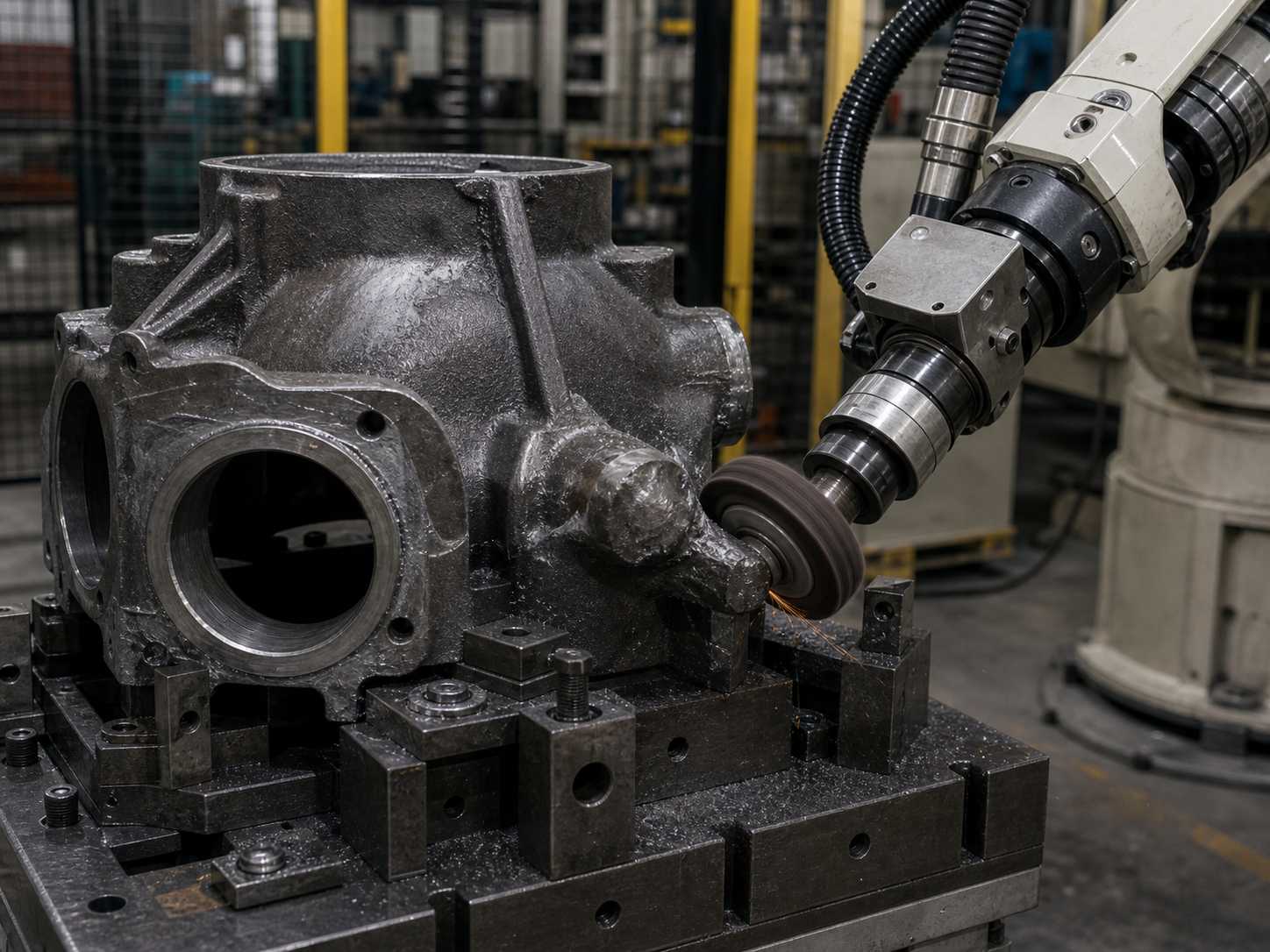
Gate & Riser Removal
Remove heavy casting gates, risers, flash, and excess material using controlled robotic grinding with rigid fixturing and matched abrasives.
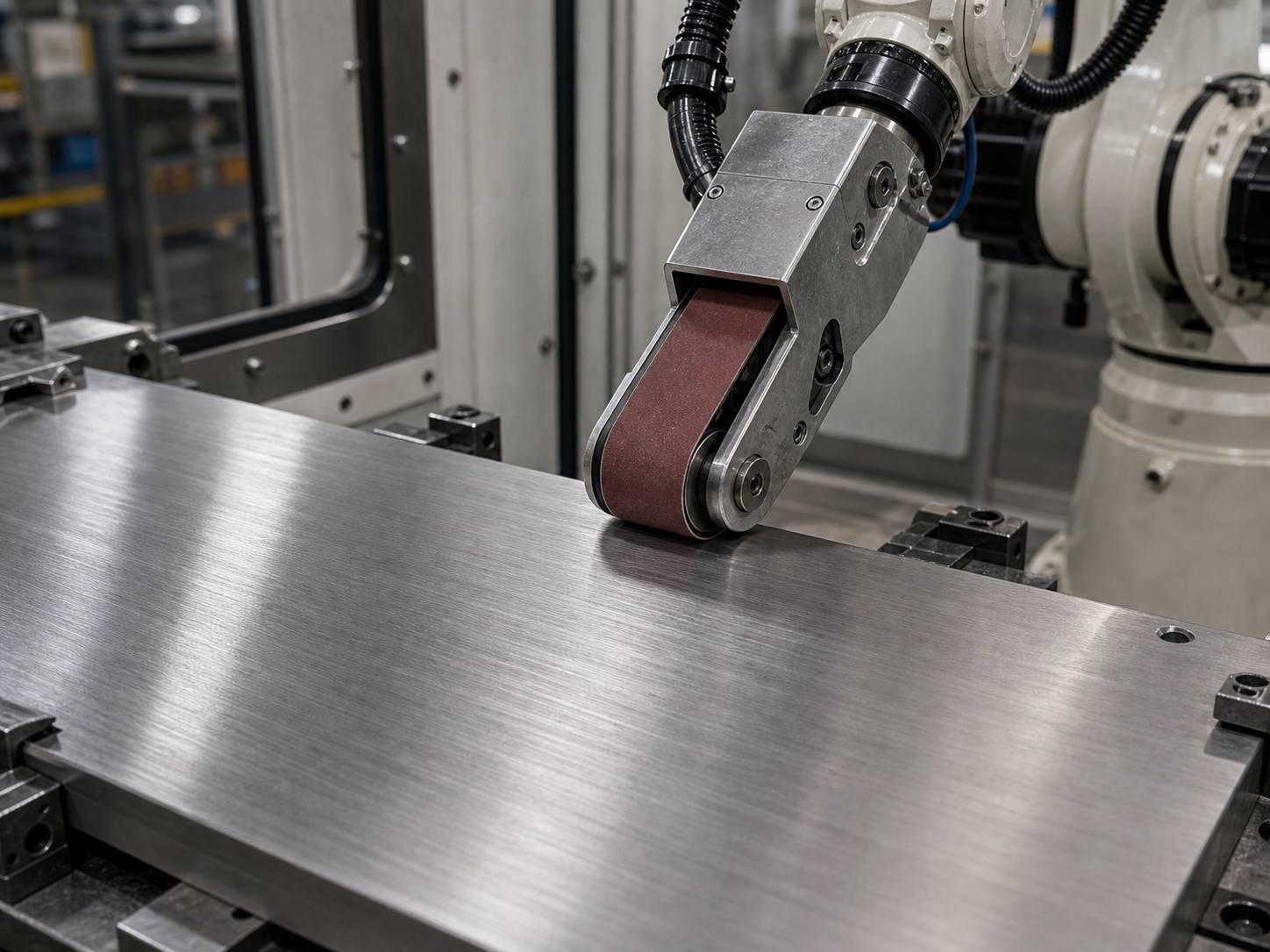
Surface Preparation
Create consistent linear or non-directional scratch patterns for painting, plating, polishing, bonding, or downstream finishing operations.
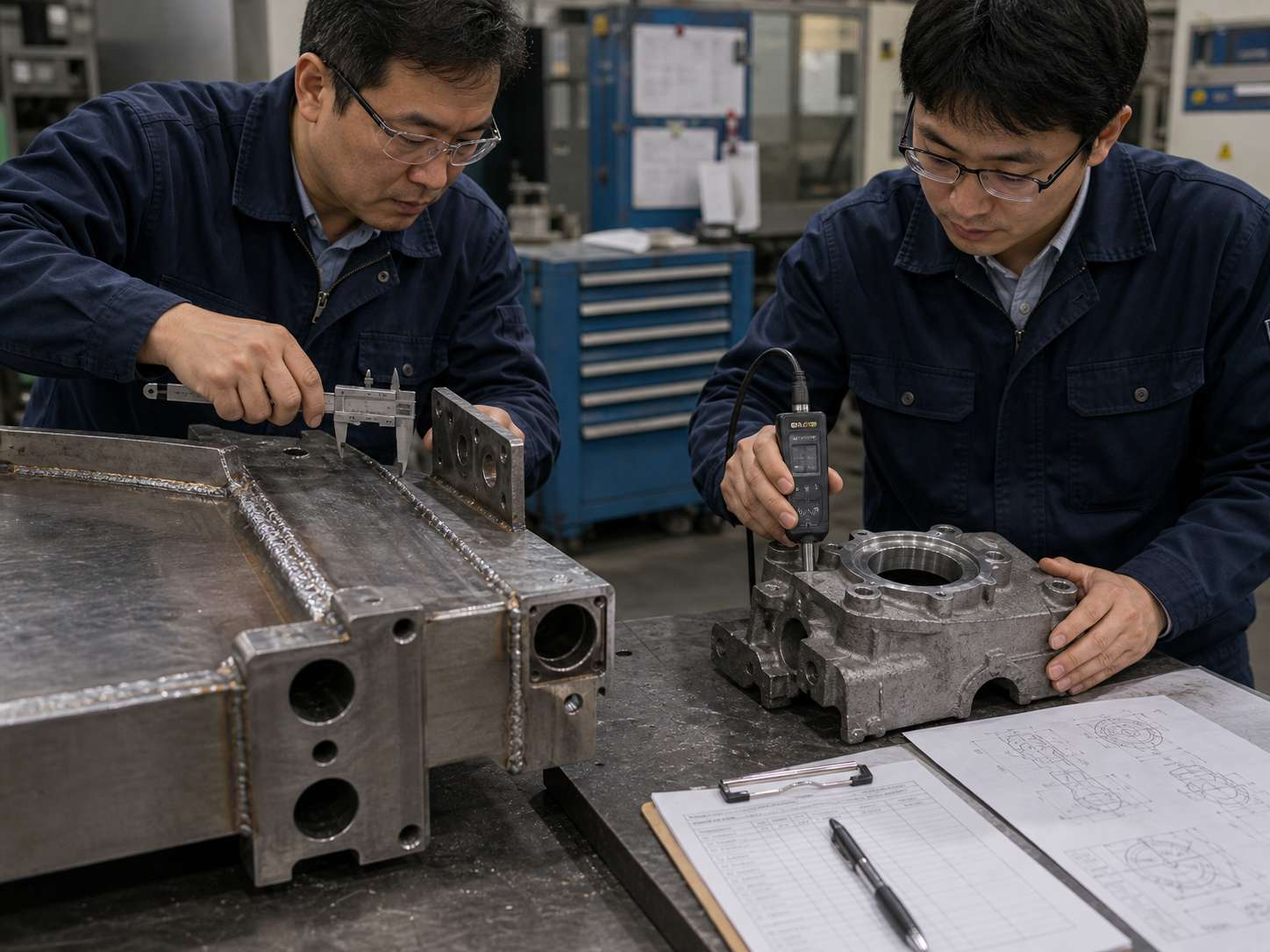
Step 1: Removal Target & Surface Requirement
We review weld seams, gates, risers, surface defects, material, and required finish.
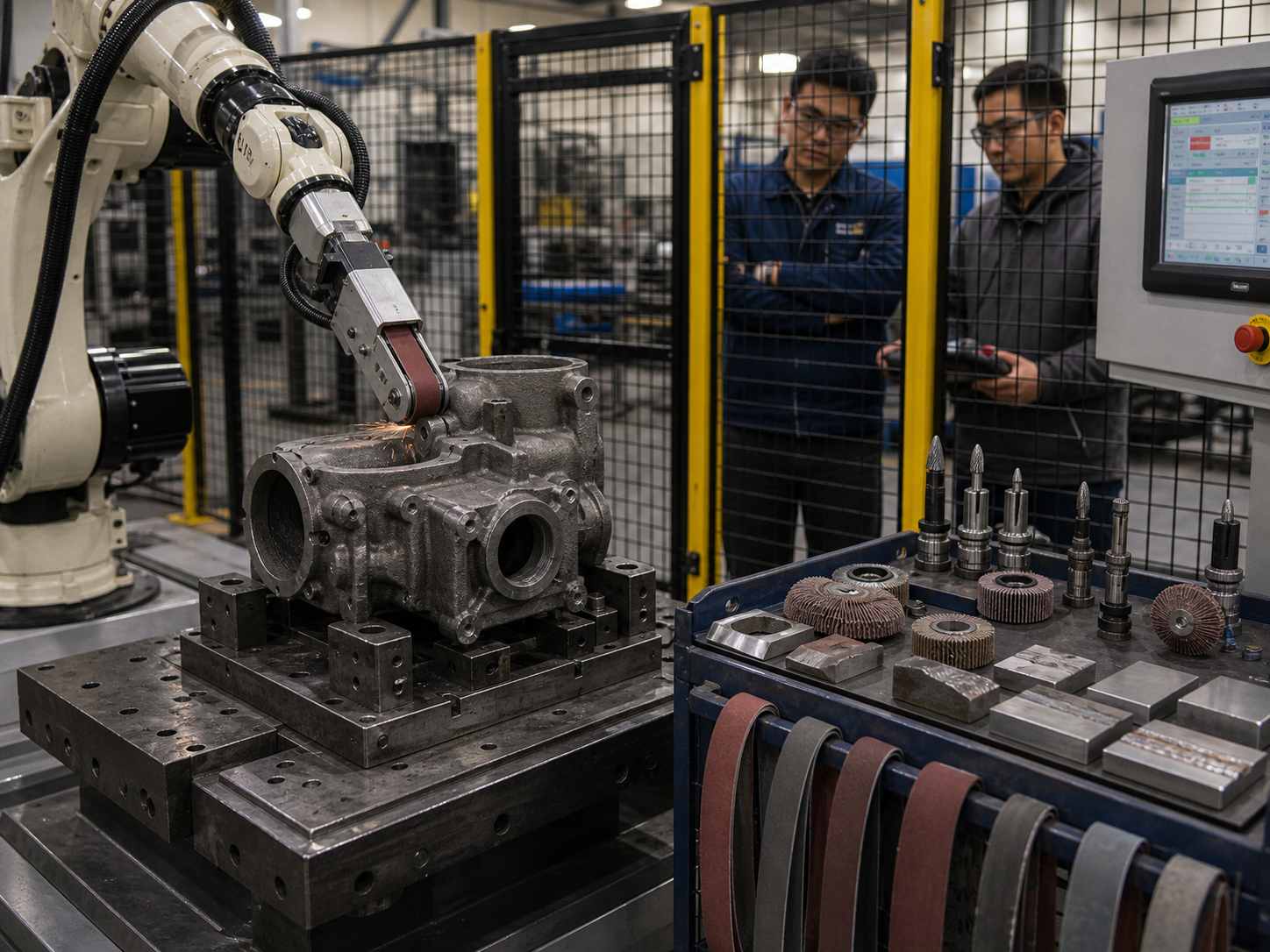
Step 2: Abrasive Testing & Cell Design
We validate grinding media, contact force, fixturing, heat control, and cycle time.
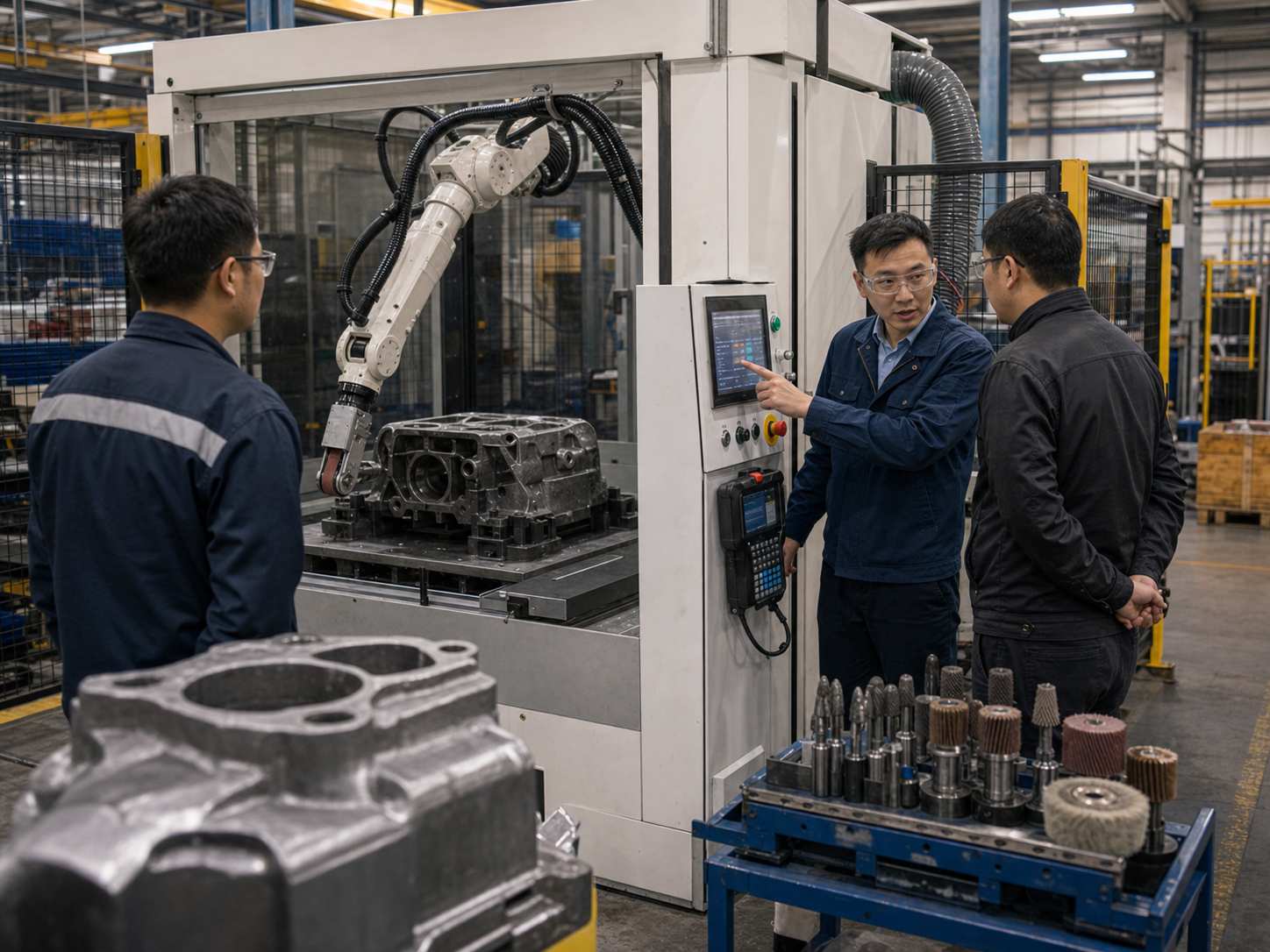
Step 3: Integration, Training & Launch
We commission the grinding cell and train your team for reliable production start-up.
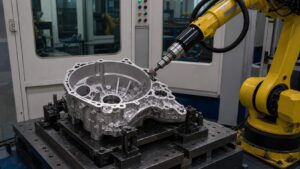
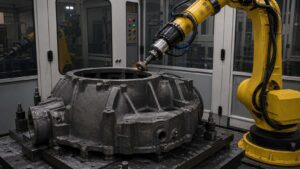
Aluminum Alloy Transmission Bell Housing Robotic Deburring and Grinding Solution
Aluminum alloy transmission bell housings are cast automotive components used in powertrain and transmission systems. Based on the sample workpiece, this part has a large bell-shaped opening, central bore, reinforced rib structure, multiple mounting holes, irregular outer flanges and deep recessed cavity areas. These structural features make post-casting deburring and grinding more complex than simple
Mid-Axle Reduction Housing Robotic Grinding Solution
Cast iron mid-axle reduction housings are heavy axle and drivetrain castings used to support internal reduction components, protect transmission structures and provide mounting interfaces for axle assemblies. Based on the sample workpiece, this part has a large cavity opening, thick cast walls, a central bore area, wide base sections and several reinforced transition zones, which
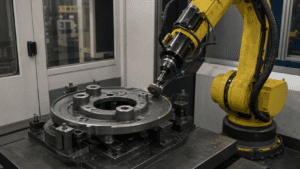
Brake Backing Plate Robotic Grinding Solution
Cast iron brake backing plates are structural brake components used in braking systems where support, positioning and assembly stability are required. Based on the sample workpiece, this part includes a large central opening, stepped outer contours, local bosses, mounting features and multiple edge transitions, making post-casting finishing more difficult than on simple flat castings. This
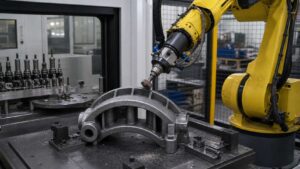
Horseshoe Part Robotic Grinding Solution
Cast iron horseshoe parts are arc-shaped structural castings used in machinery, support assemblies and industrial equipment. The workpiece usually features a curved outer profile, reinforced ribs, local openings and mounting areas, making post-casting edge treatment and surface grinding more difficult than on simple flat castings. This robotic grinding solution is designed for cast iron horseshoe

Cylinder Block Robotic Grinding Solution
Cast iron cylinder blocks are multi-cylinder engine castings used in passenger vehicles, light commercial vehicles and industrial power systems. The workpiece usually has multiple cylinder bores, inner cavities, mounting edges, water jacket openings and structural outer contours, making post-casting finishing more difficult than simple structural castings. This robotic grinding solution is designed for cast iron

Valve Body Robotic Grinding Solution
Cast iron valve bodies are medium and large flow-control castings used in industrial piping systems, fluid control equipment and mechanical installations. The workpiece usually has a central flow passage, curved outer contours, reinforced transition areas, connection ends and sealing-related surfaces, which makes post-casting finishing more difficult than simple structural castings. This robotic grinding solution is