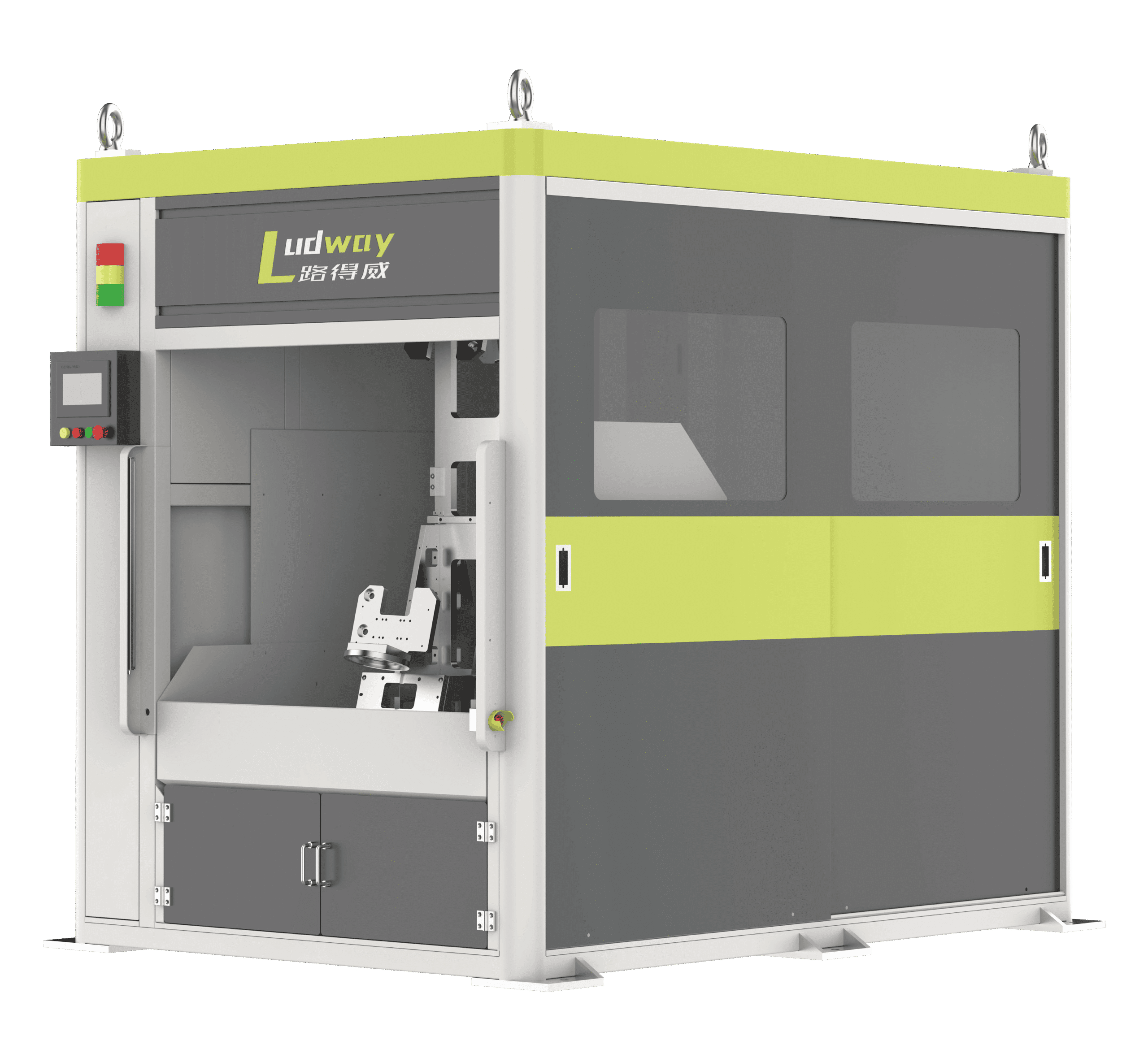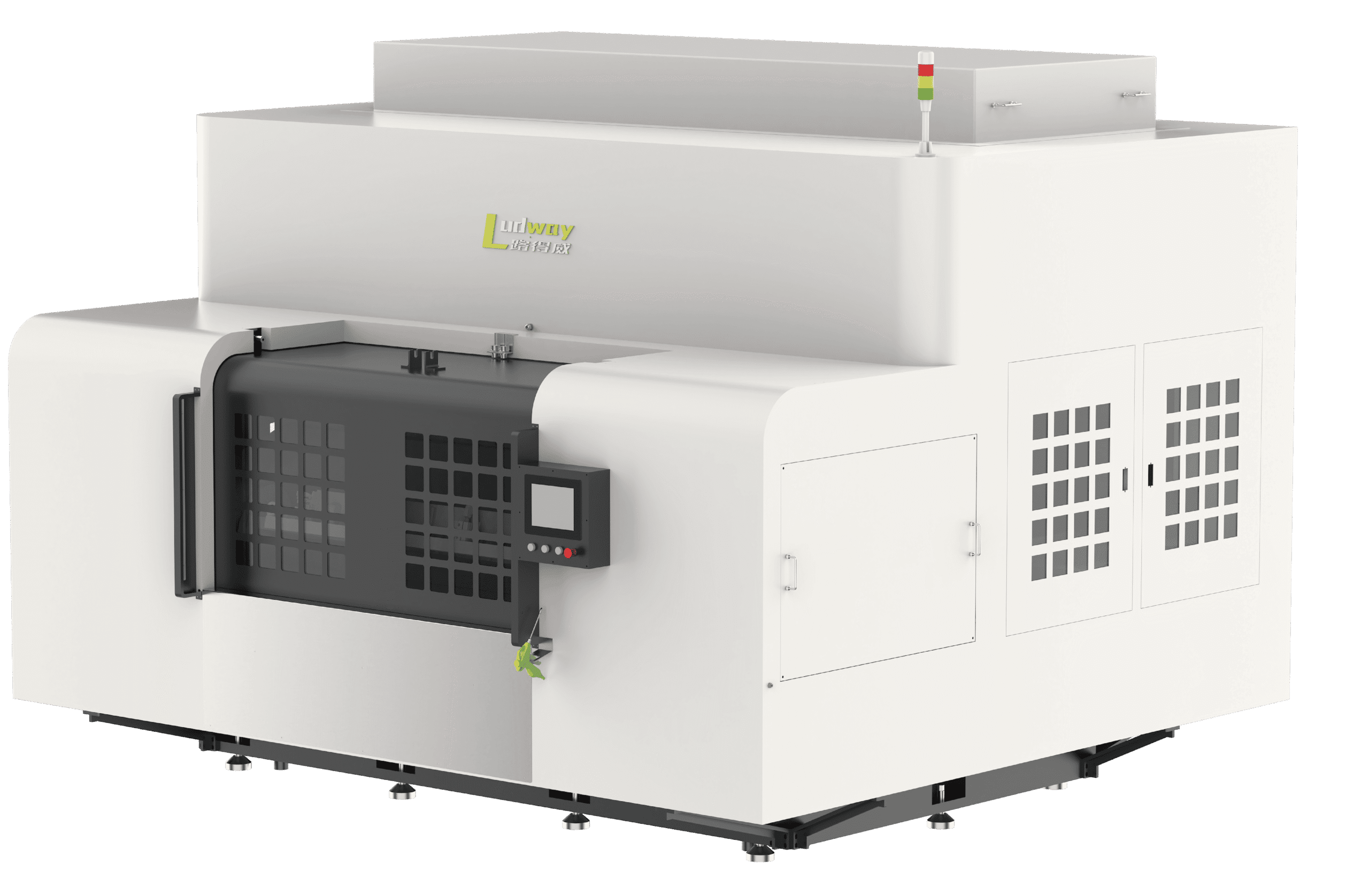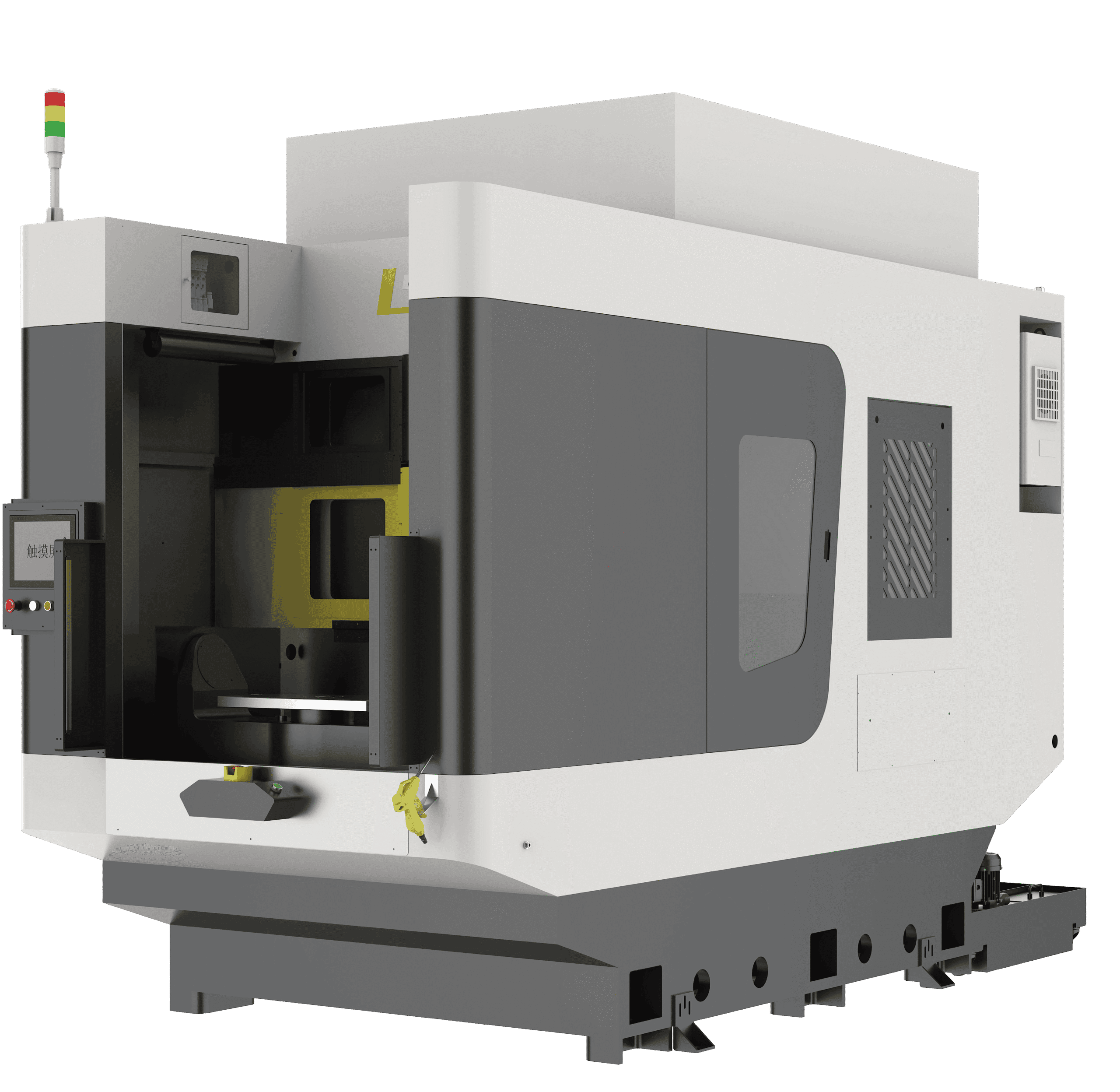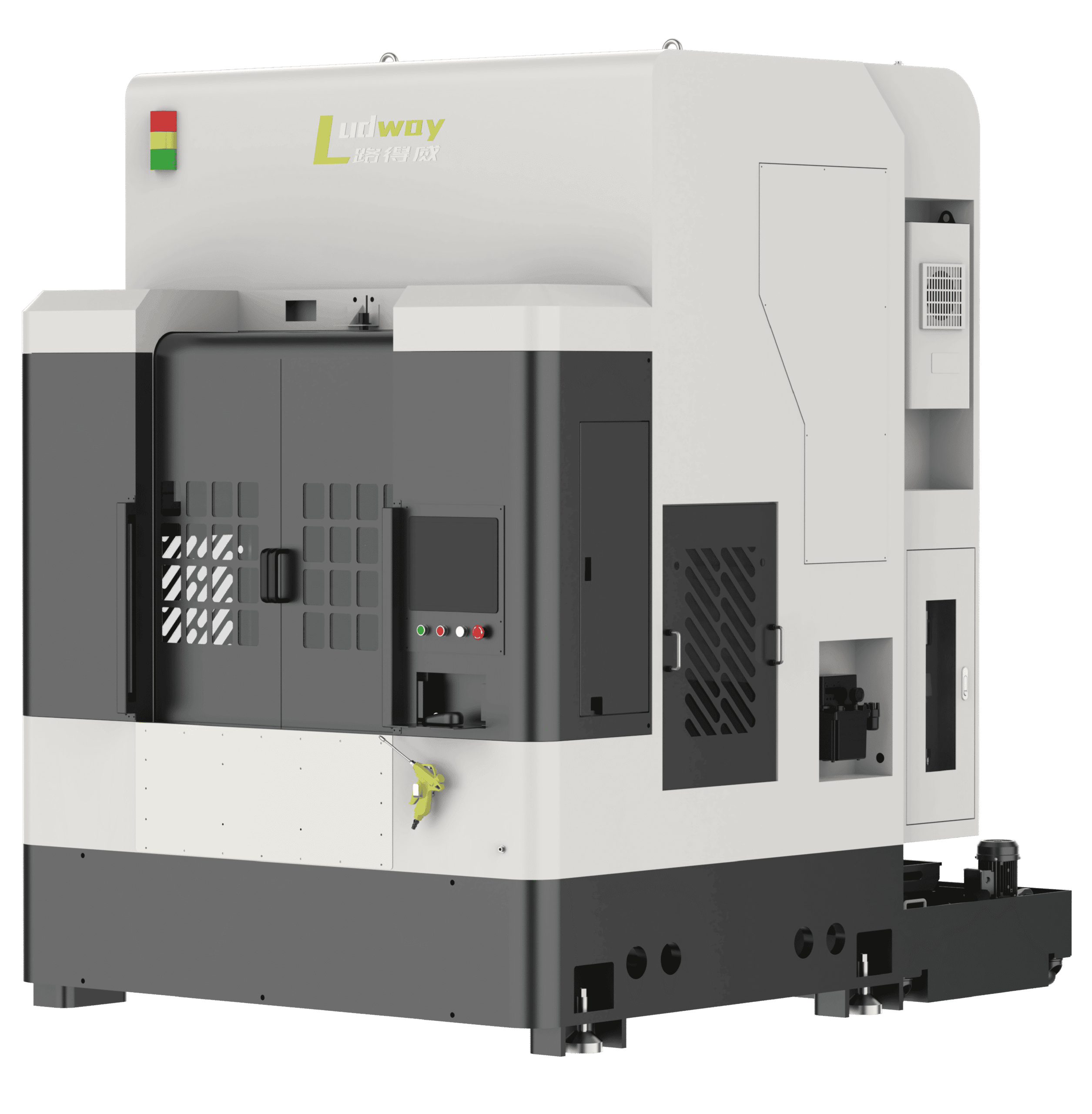
Soluções avançadas de polimento robótico e acabamento de superfícies
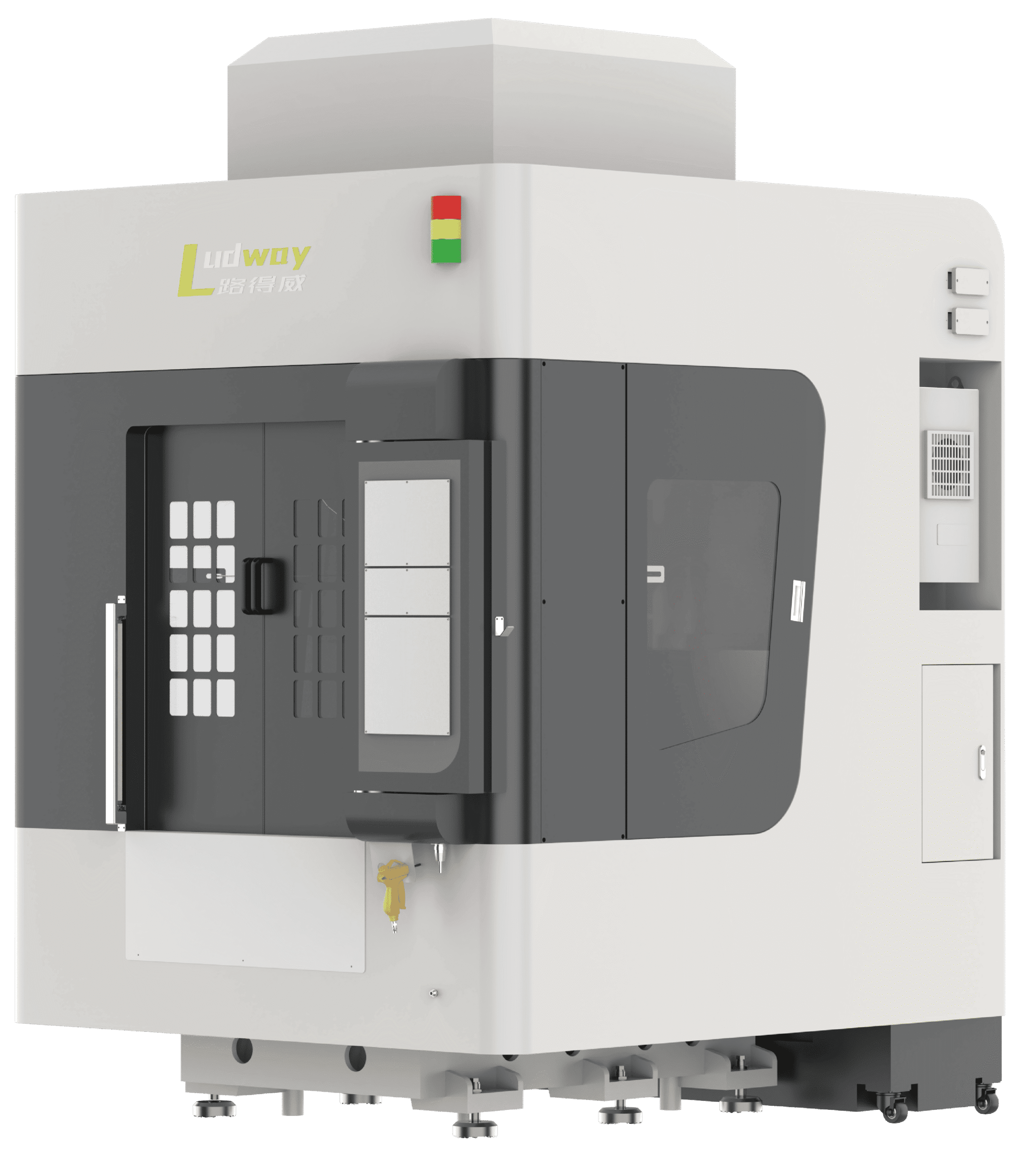
Projetado para eliminar gargalos de produção. Fornecemos células robóticas inteligentes e prontas para uso para enfrentar seus desafios mais exigentes de rebarbação, mistura de solda e polimento espelhado em peças fundidas, usinadas e conjuntos soldados.
Supere seus desafios mais difíceis de acabamento de superfície
Seja na fundição, estampagem, soldagem ou usinagem, o acabamento manual cria gargalos na produção. Nós o ajudamos a eliminá-los.
Altos custos de mão de obra
A rebarbação manual tradicional exige mais de 15 trabalhadores (3 turnos), com altos custos anuais e dificuldades de contratação.
Qualidade inconsistente
A qualidade da rebarbação manual depende da habilidade do trabalhador - Taxa de retrabalho: 15%
Baixa eficiência
A rebarbação manual leva 15 minutos por peça, criando gargalos na produção e limitando a produção de alto volume.
Problemas de escalabilidade
O processo manual limita o crescimento da produção e não consegue lidar com picos sazonais ou aumentos repentinos de volume.
Domínio de todas as etapas do acabamento de superfícies
From heavy stock removal to high-gloss mirror finishes, our automated solutions are engineered to solve demanding surface finishing challenges with repeatable process control.


Rebarbação automatizada e radiografia de bordas
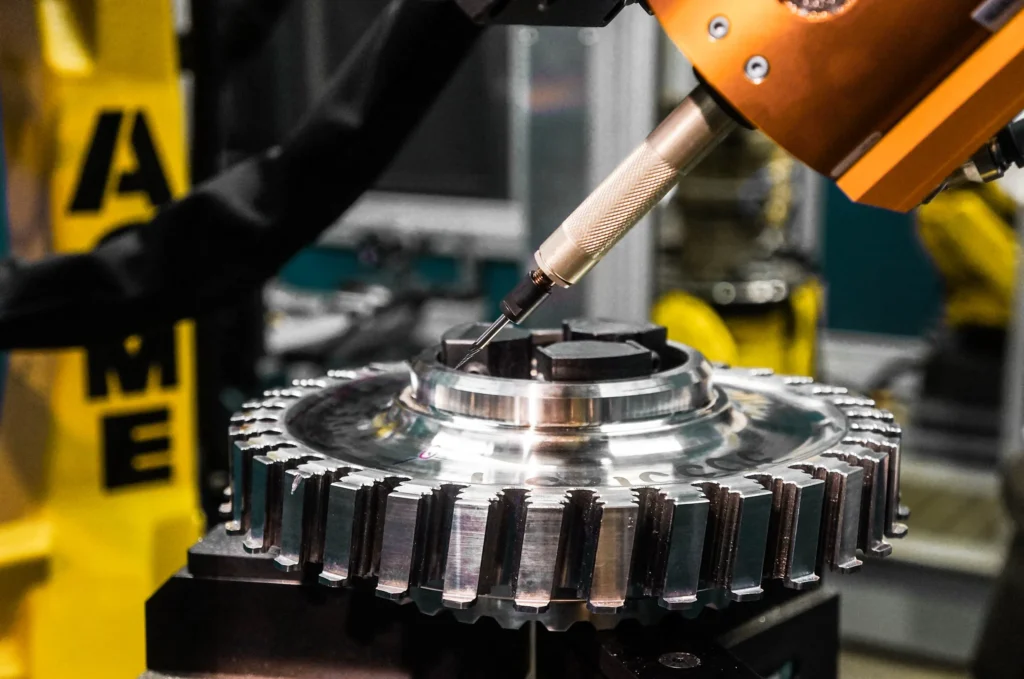
Elimine bordas afiadas, rebarbas e linhas de separação com precisão robótica. Nossos sistemas removem com segurança as rebarbas de furos cruzados internos complexos e geometrias delicadas sem alterar as tolerâncias críticas das peças.
- Fundição sob pressão
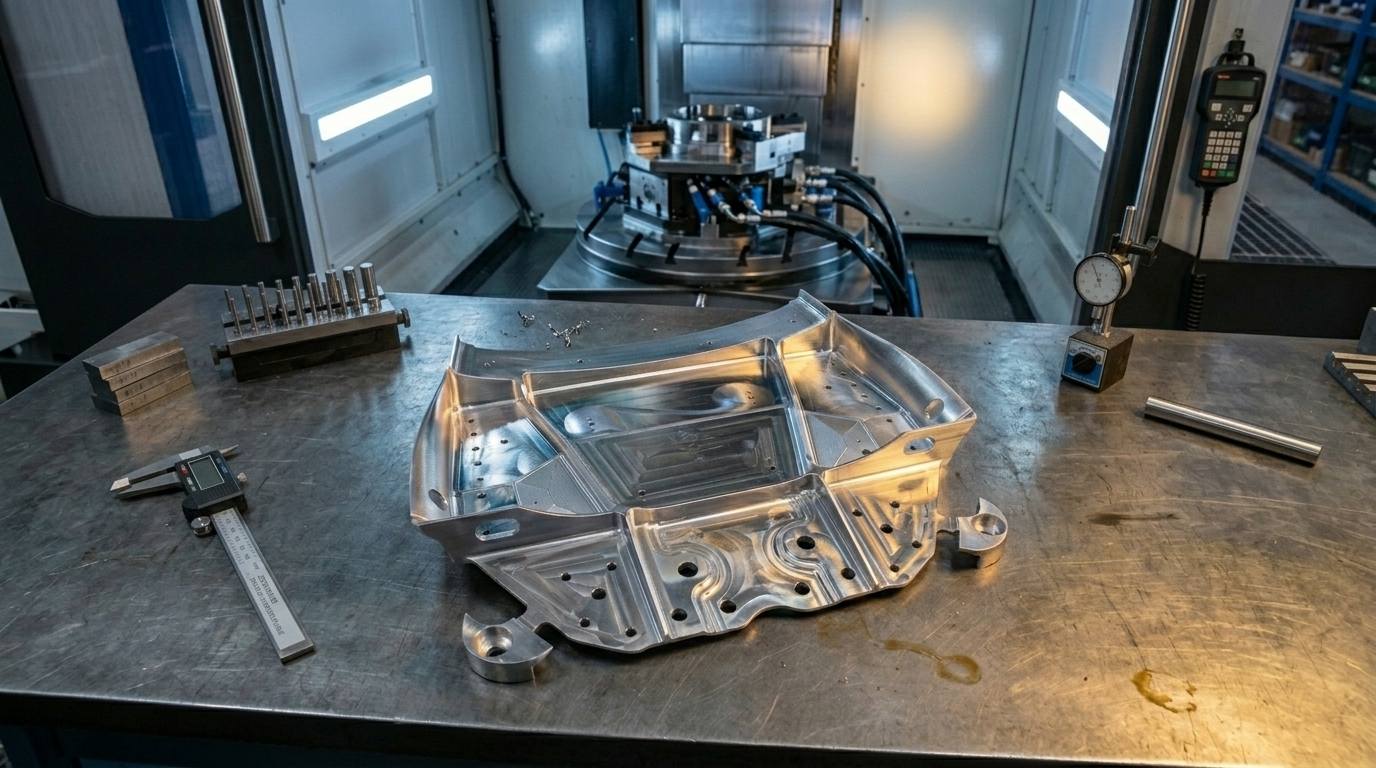
- Peças usinadas em CNC
Retificação de precisão e mistura de solda
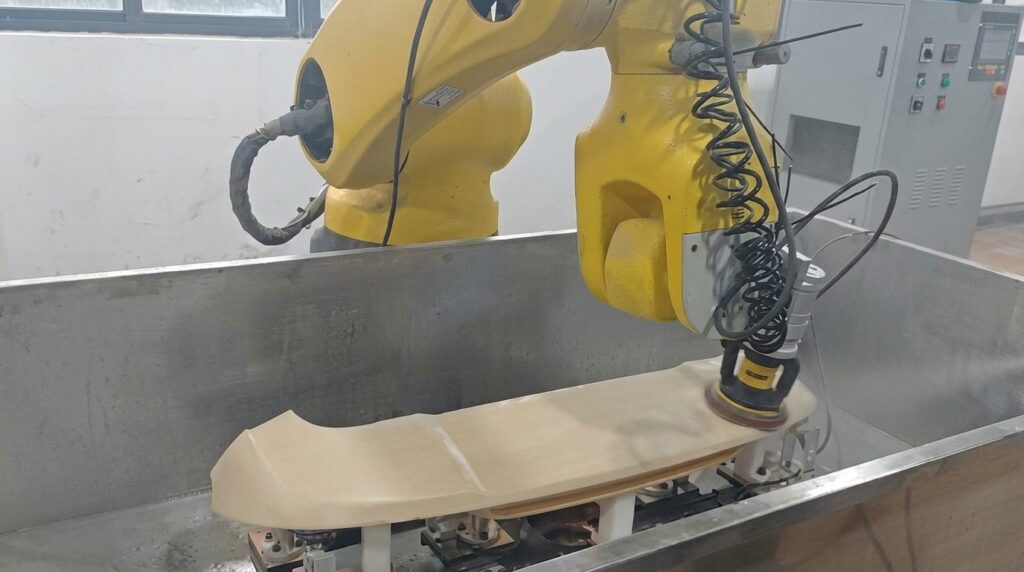
Remova com eficiência materiais pesados, portões, rebaixos e costuras de solda inestéticas. Proporcionamos um nivelamento consistente da superfície e padrões de arranhões uniformes, preparando perfeitamente suas peças para o acabamento ou revestimento final.
- Montagens soldadas
- Peças fundidas pesadas


Polimento de alto brilho e espelhado
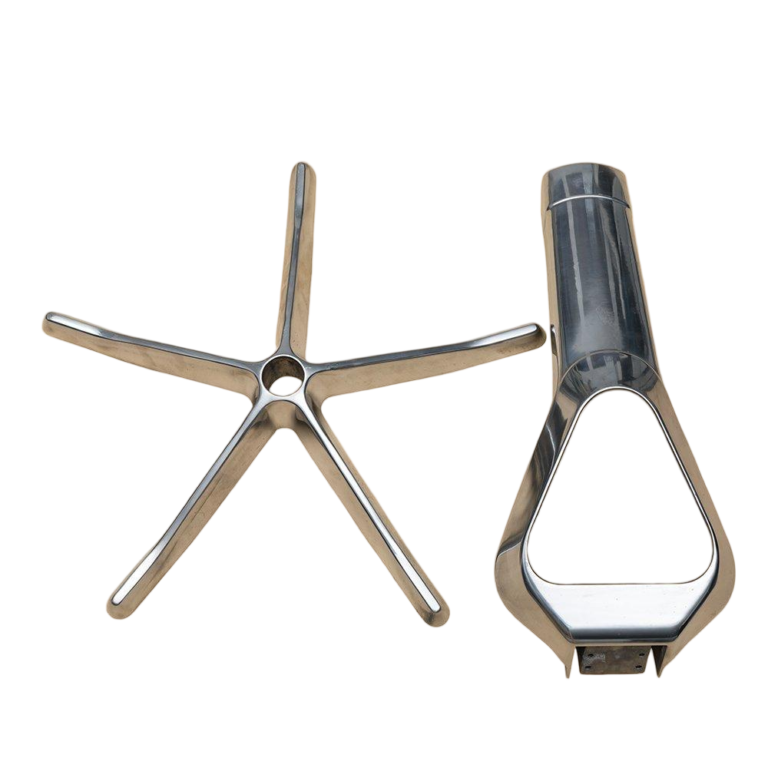
Obtenha acabamentos reflexivos e sem falhas em superfícies 3D complexas. Projetadas para setores em que a estética e a rugosidade ultrabaixa da superfície (Ra) são fundamentais, nossas células robóticas reproduzem a qualidade do mestre artesão em escala industrial.
- Encanamento e ferragens de luxo
- Implantes médicos e rodas de liga leve
Setores e soluções
Fornecendo precisão, consistência e escalabilidade para os setores de manufatura mais exigentes do mundo. Escolha seu setor para explorar soluções robóticas personalizadas.


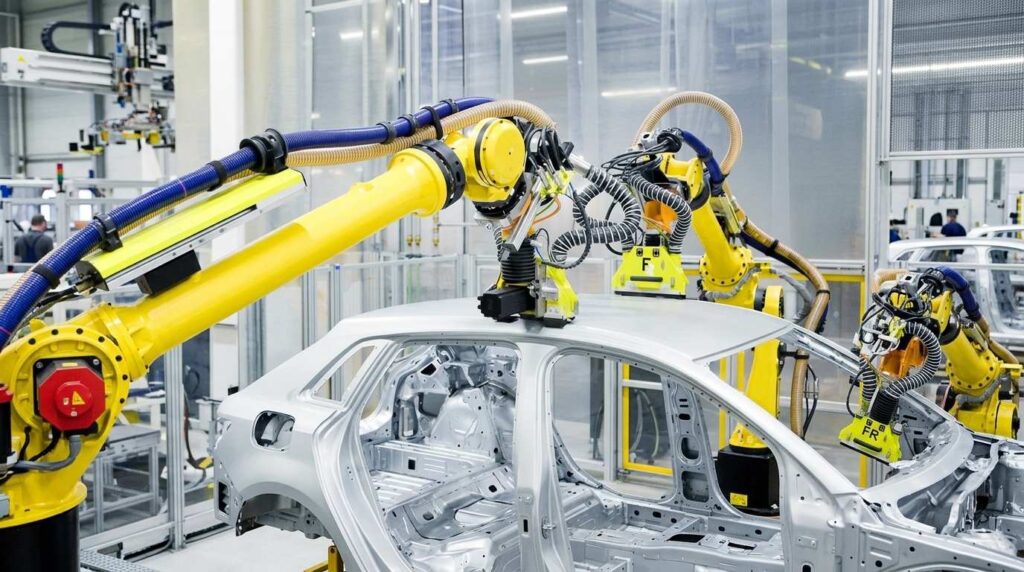
Automotivo e EV
Rebarbação automatizada e mistura de solda para blocos de motor fundidos, carcaças de bateria e rodas de liga leve.
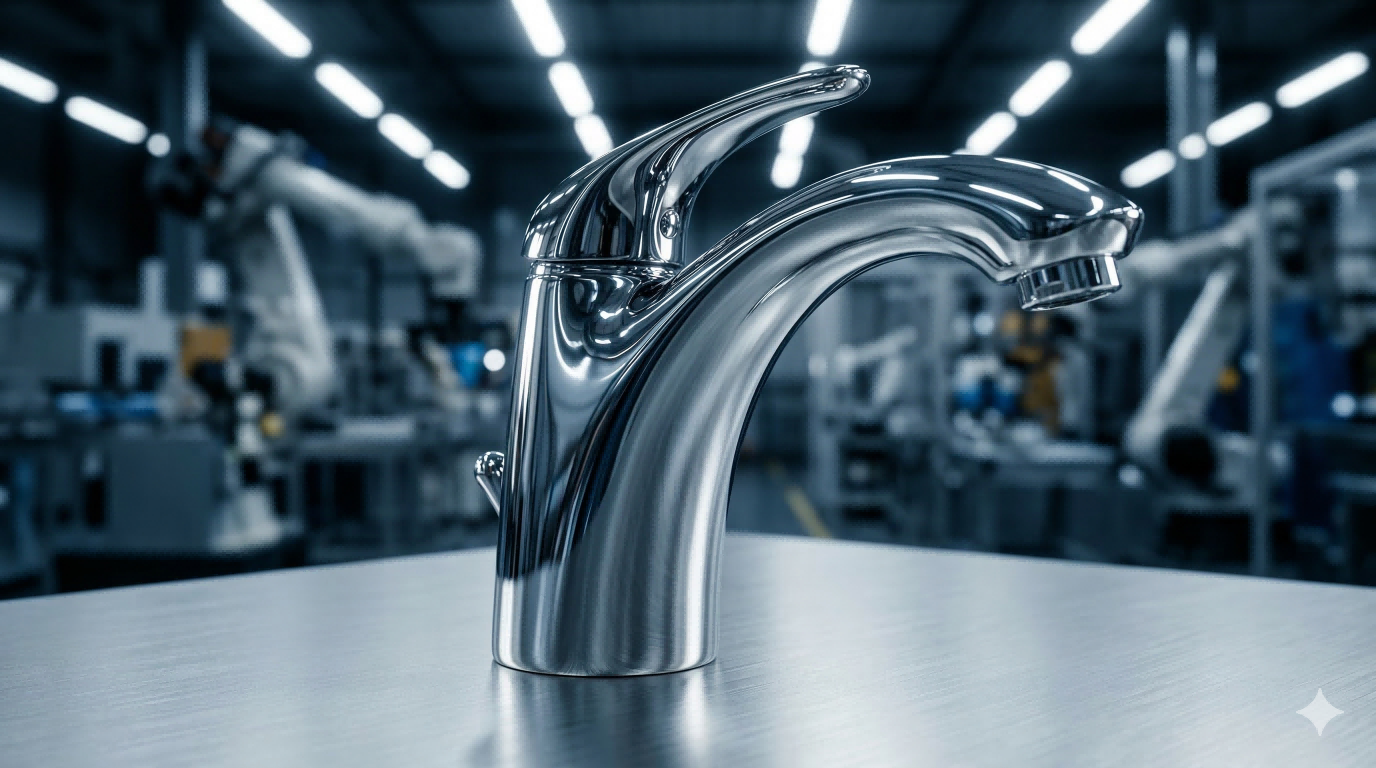

Encanamento e ferragens
Polimento e esmerilhamento de espelhos sem falhas para acessórios de latão, zinco e aço inoxidável, substituindo o trabalho manual não confiável.
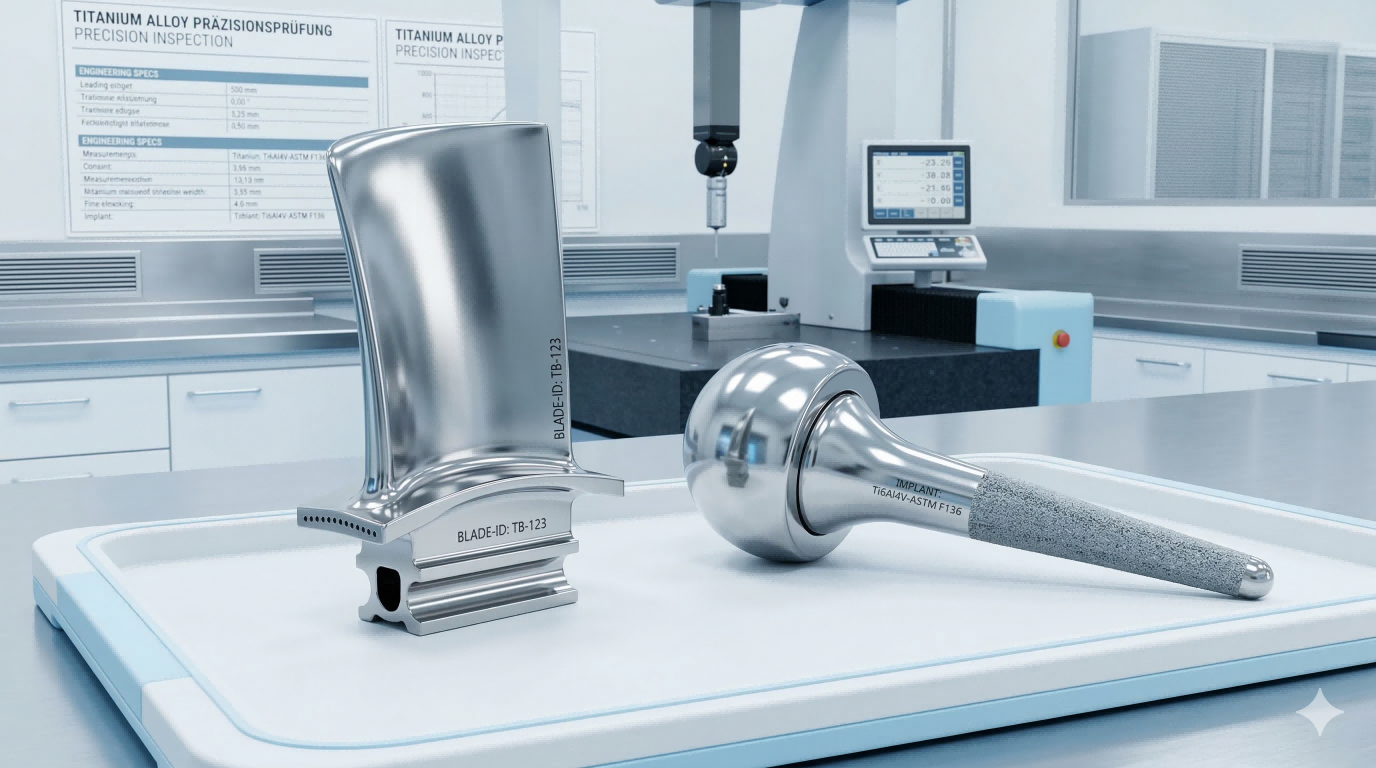

Aeroespacial e médico
Built for applications where dimensional control, surface quality, and process repeatability are critical.
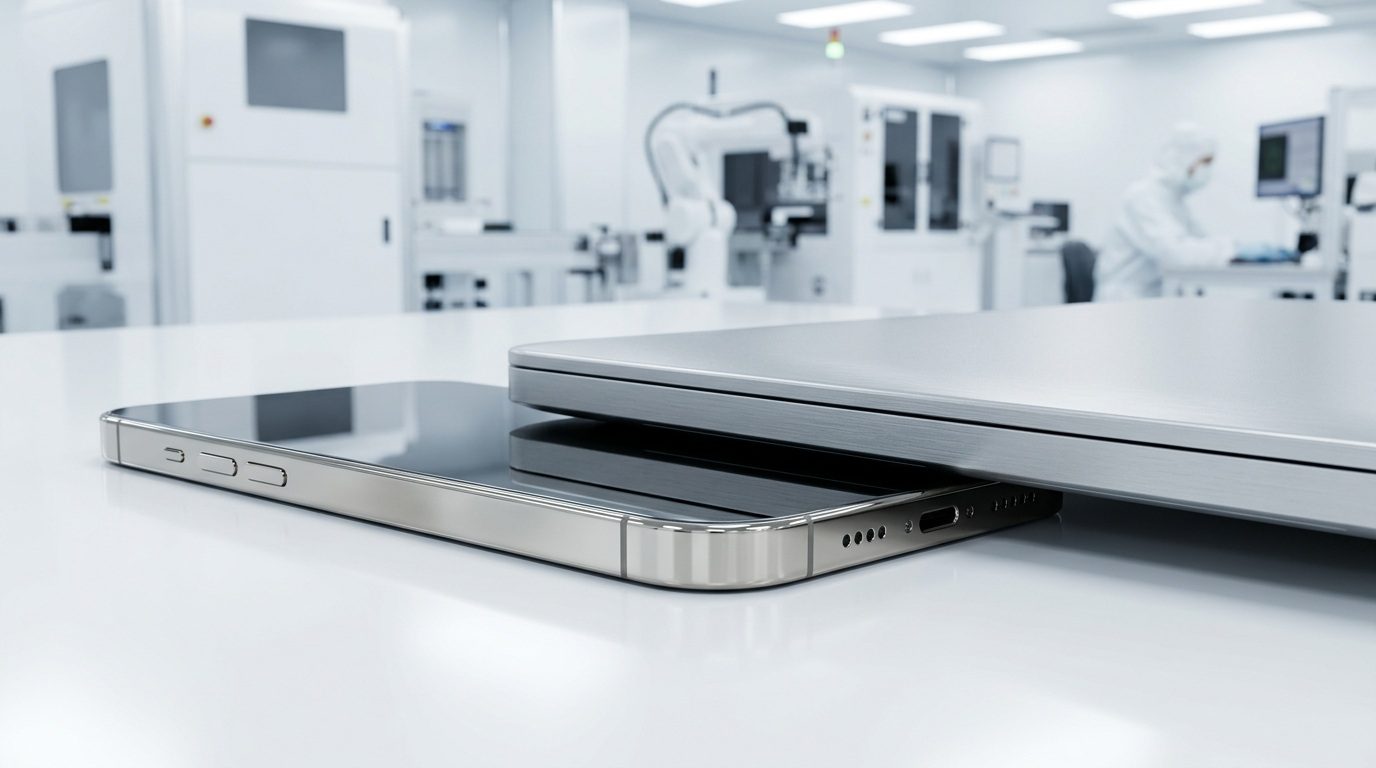

3C Consumer Electronics
Precision polishing, edge finishing, and cosmetic surface preparation for aluminum housings, stainless panels, smart-device components, and consumer hardware.
SOBRE A UBRIGHT SOLUTIONS


Há mais de 20 anos, estamos na vanguarda do acabamento automatizado de superfícies. Enquanto a manufatura tradicional se debate com inconsistências manuais, projetamos células robóticas inteligentes que dominam as tarefas mais exigentes de rebarbação, esmerilhamento e polimento em todos os materiais críticos - de peças fundidas em alumínio a implantes médicos de titânio e acessórios de encanamento de latão.
Nós não apenas construímos máquinas; nós fornecemos soluções completas. Desde a análise inicial da peça e o projeto do processo até a seleção do equipamento, a instalação e o suporte pós-venda global, a UBRIGHT SOLUTIONS é o seu parceiro de longo prazo na excelência da fabricação.
From Sample Part to Turnkey Robotic Finishing Cell


Step 1: Analyze Your Part
We review your material, geometry, surface defects, finish target, and production volume.
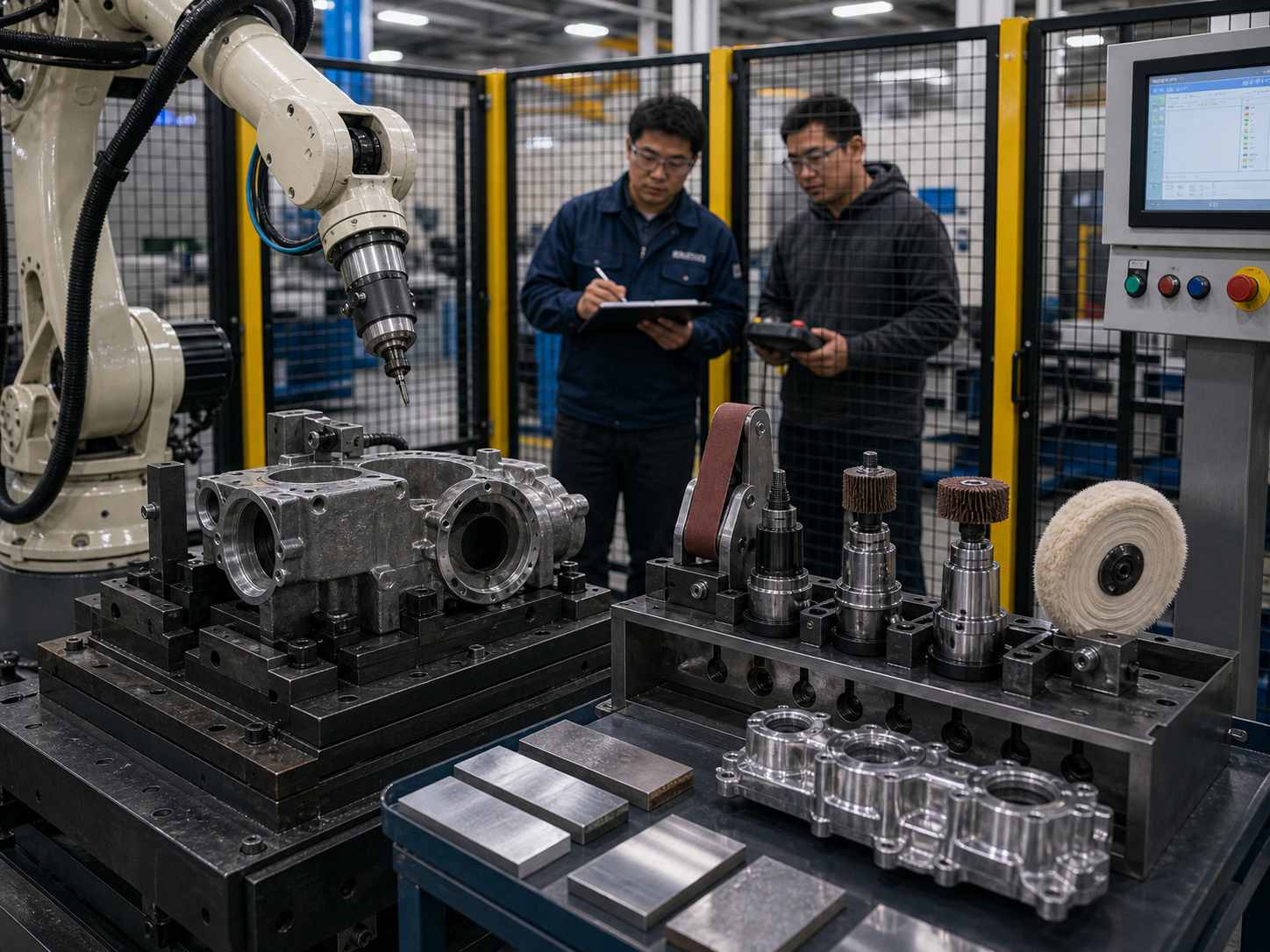

Step 2: Validate the Process
We test tools, abrasives, compounds, fixtures, robot paths, and cycle time using real sample parts.
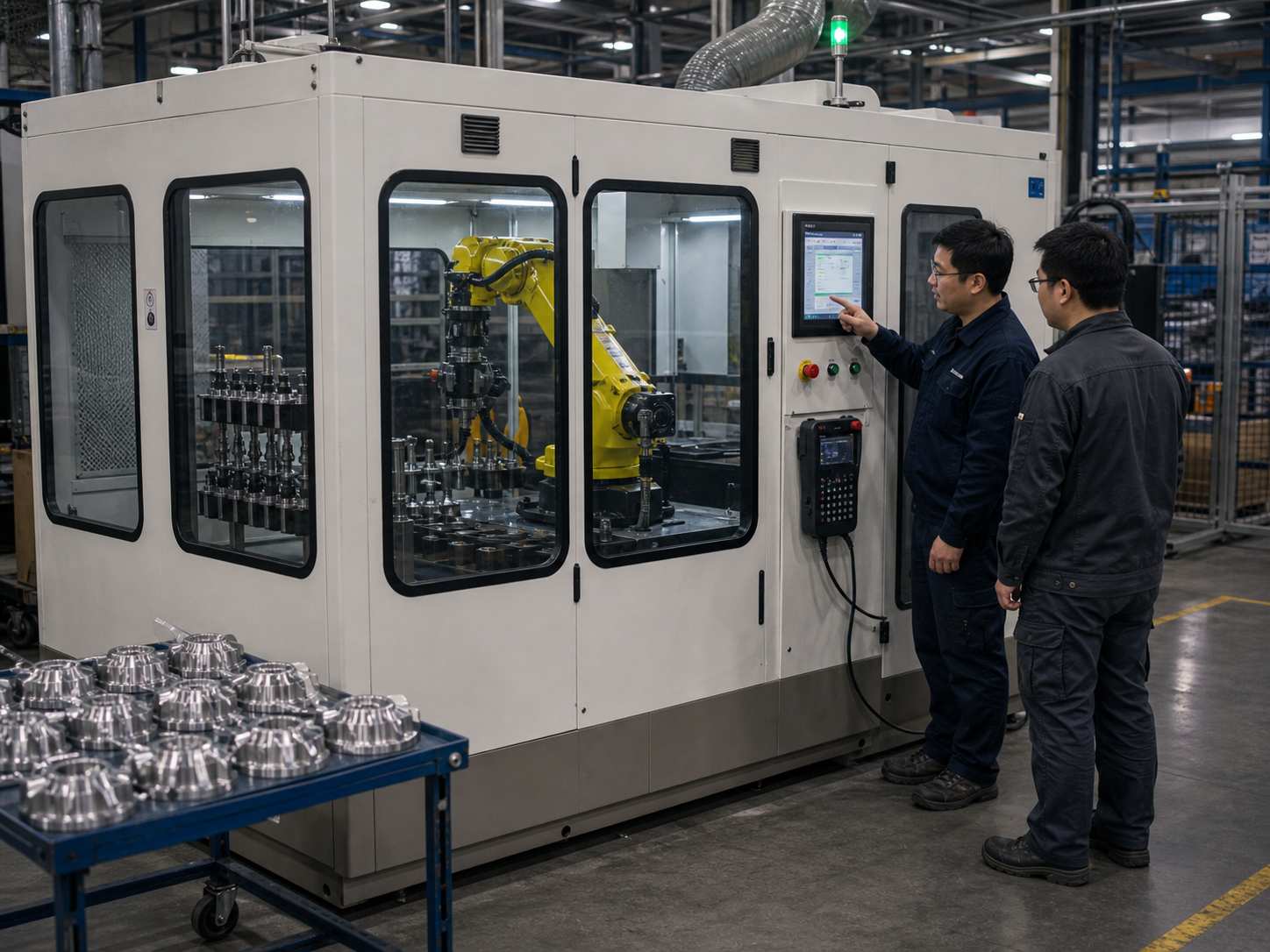

Step 3: Deliver the Automation Cell
We build, integrate, install, and train your team for stable production launch.
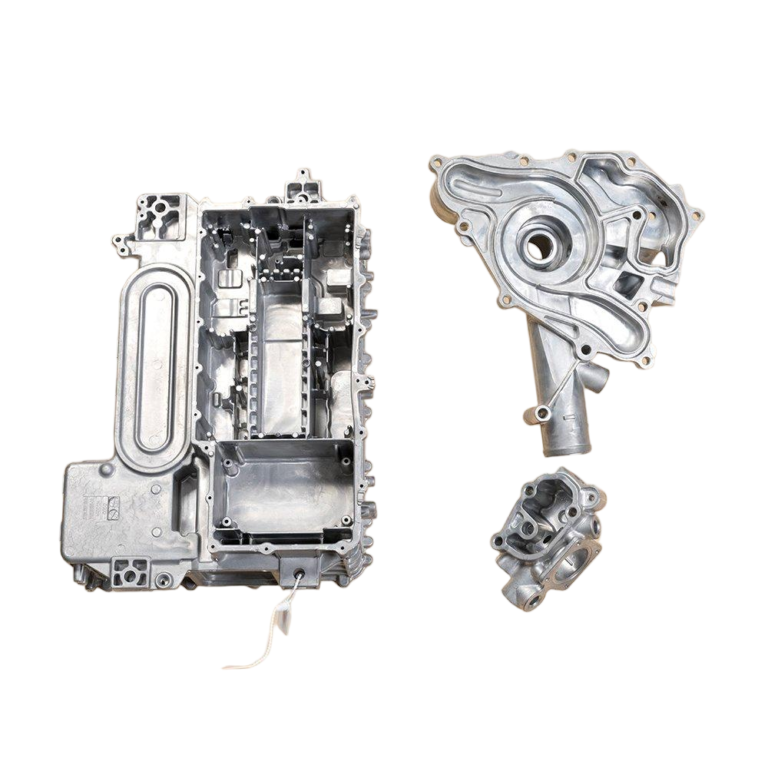
Why Choose U-BRIGHT Robotic Finishing Systems?
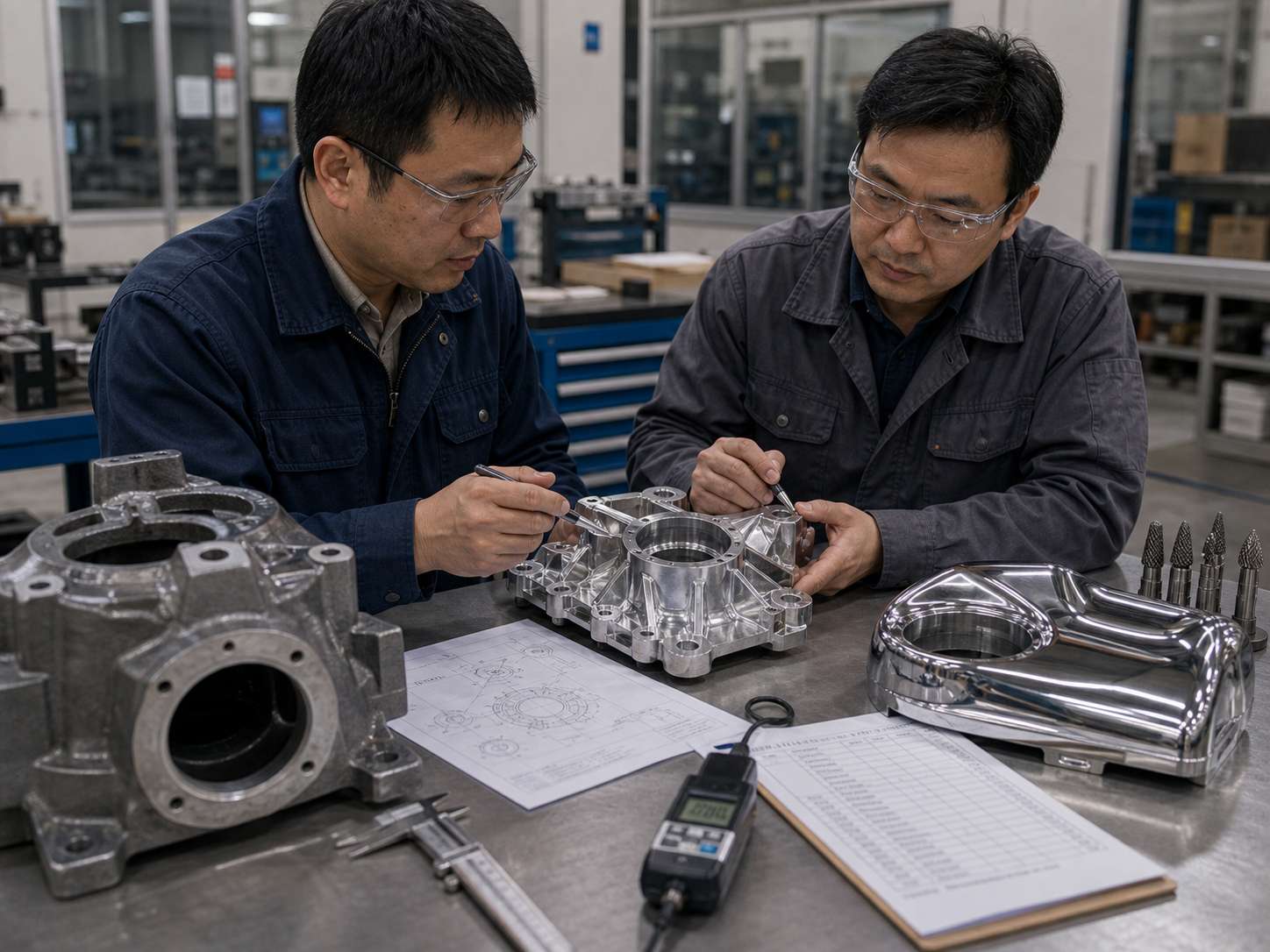
We combine process testing, robotic integration, force-controlled finishing, dust management, and production support to turn difficult manual deburring, grinding, and polishing work into repeatable automated processes.
Turnkey System Integration
From robot selection and tooling to fixtures, guarding, controls, and installation, we deliver complete robotic finishing cells configured around your part and production needs.
Process-First Engineering
We start with your sample part, defect type, finish target, material, and cycle-time goal, then validate the tools, abrasives, paths, and process before production launch.
Force-Controlled Finishing
Controlled contact pressure helps improve consistency across burr removal, weld blending, surface grinding, polishing, and complex 3D contours.
Tooling & Media Flexibility
Our systems can be configured with carbide burrs, abrasive belts, flap wheels, brushes, buffing wheels, and compound systems for different finishing stages.
Safer, Cleaner Production
Enclosed cells, dust extraction, guarding, and automated processing reduce operator exposure to vibration, sparks, dust, noise, and repetitive manual work.
Built for Real Production
We support sample testing, cycle-time review, installation, operator training, and process tuning so the cell can move from trial to stable production.
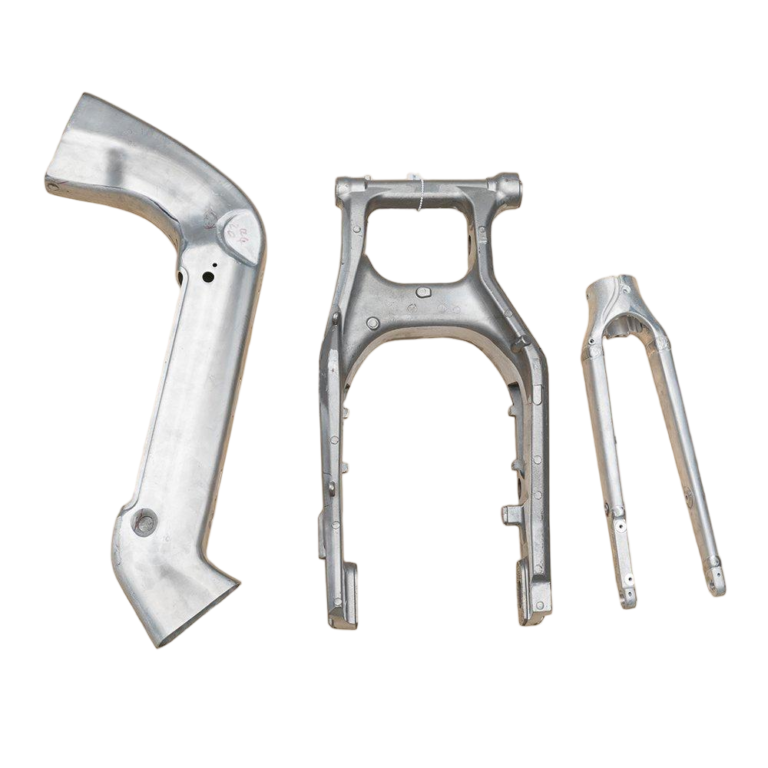
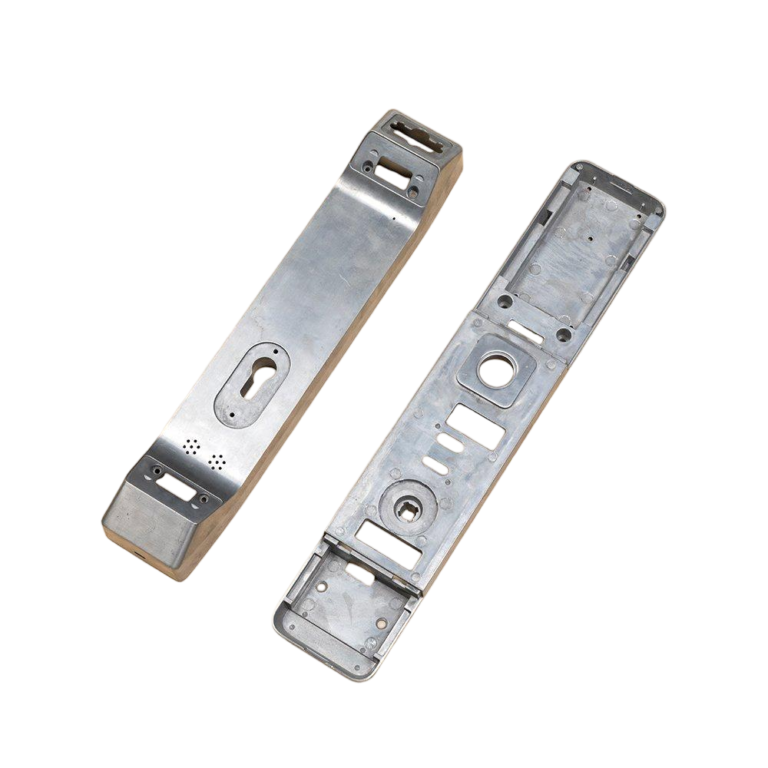
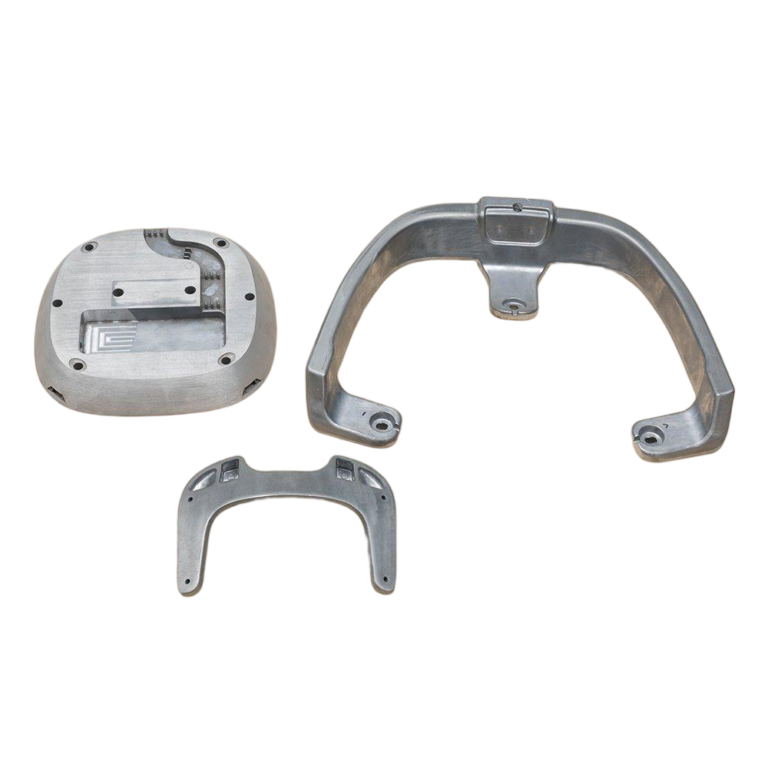
Sample Workpieces We Process


Latest Blog & Articles


Mid-Axle Reduction Housing Robotic Grinding Solution
Cast iron mid-axle reduction housings are heavy axle and drivetrain castings used to support internal reduction components, protect transmission structures and provide mounting interfaces for axle assemblies. Based on the sample workpiece, this part has a large cavity opening, thick cast walls, a central bore area, wide base sections and several reinforced transition zones, which


Brake Backing Plate Robotic Grinding Solution
Cast iron brake backing plates are structural brake components used in braking systems where support, positioning and assembly stability are required. Based on the sample workpiece, this part includes a large central opening, stepped outer contours, local bosses, mounting features and multiple edge transitions, making post-casting finishing more difficult than on simple flat castings. This


Horseshoe Part Robotic Grinding Solution
Cast iron horseshoe parts are arc-shaped structural castings used in machinery, support assemblies and industrial equipment. The workpiece usually features a curved outer profile, reinforced ribs, local openings and mounting areas, making post-casting edge treatment and surface grinding more difficult than on simple flat castings. This robotic grinding solution is designed for cast iron horseshoe


Cylinder Block Robotic Grinding Solution
Cast iron cylinder blocks are multi-cylinder engine castings used in passenger vehicles, light commercial vehicles and industrial power systems. The workpiece usually has multiple cylinder bores, inner cavities, mounting edges, water jacket openings and structural outer contours, making post-casting finishing more difficult than simple structural castings. This robotic grinding solution is designed for cast iron


Valve Body Robotic Grinding Solution
Cast iron valve bodies are medium and large flow-control castings used in industrial piping systems, fluid control equipment and mechanical installations. The workpiece usually has a central flow passage, curved outer contours, reinforced transition areas, connection ends and sealing-related surfaces, which makes post-casting finishing more difficult than simple structural castings. This robotic grinding solution is


Crankshaft Robotic Grinding Solution
Crankshafts are critical rotating components used in engine systems, where they convert the reciprocating motion of pistons into rotational motion. As a typical shaft-type workpiece, a crankshaft includes main journals, crank pins, counterweights, fillet transition areas and end sections. During casting, forging and rough machining, common finishing problems include burrs, flash, sharp edges, rough surfaces