Soluções de acabamento automatizado para peças automotivas e de veículos elétricos
Acelere os tempos de ciclo, elimine gargalos manuais e atinja tolerâncias rigorosas de OEM para componentes automotivos fundidos sob pressão, soldados e usinados.
Os custos ocultos na fabricação de automóveis e veículos elétricos


Padrões de qualidade OEM rigorosos
O acabamento manual leva a superfícies inconsistentes, destruindo tolerâncias dimensionais críticas e causando altas taxas de refugo para peças caras do trem de força.
Imperfeições de solda da bateria de EV
As soldas MIG e a laser irregulares ou mal misturadas nas bandejas de baterias de EV comprometem diretamente a integridade estrutural e os requisitos críticos de vedação.
Pressão de tempo de ciclo de alto volume
A rebarbação e o esmerilhamento manuais lentos criam gargalos enormes, impedindo que sua instalação atenda às exigentes cotas de produção de Nível 1 (UPH)
Soluções por peça de trabalho
Soluções robóticas sob medida para cada componente automotivo


Fundição sob pressão e trem de força
Rebarbação de precisão e remoção de rebarbas para blocos de motor, caixas de transmissão e juntas de direção. Conquistamos furos cruzados complexos e linhas de corte pesadas sem excesso de corte.


Montagens soldadas EV
Mistura de solda robótica sem falhas para Carcaças de baterias de EV e estruturas de motores. Lixamos as longas costuras MIG e a laser para garantir a montagem perfeita e a vedação absoluta.


Acabamento externo e do chassi
Polimento de alto brilho e raio nas bordas para rodas de liga leve de alumínio e trilhos de teto. Obtenha acabamentos espelhados de classe A e elimine com segurança as bordas afiadas cortadas.
Tecnologia desenvolvida para padrões automotivos
Projeto à prova de explosão
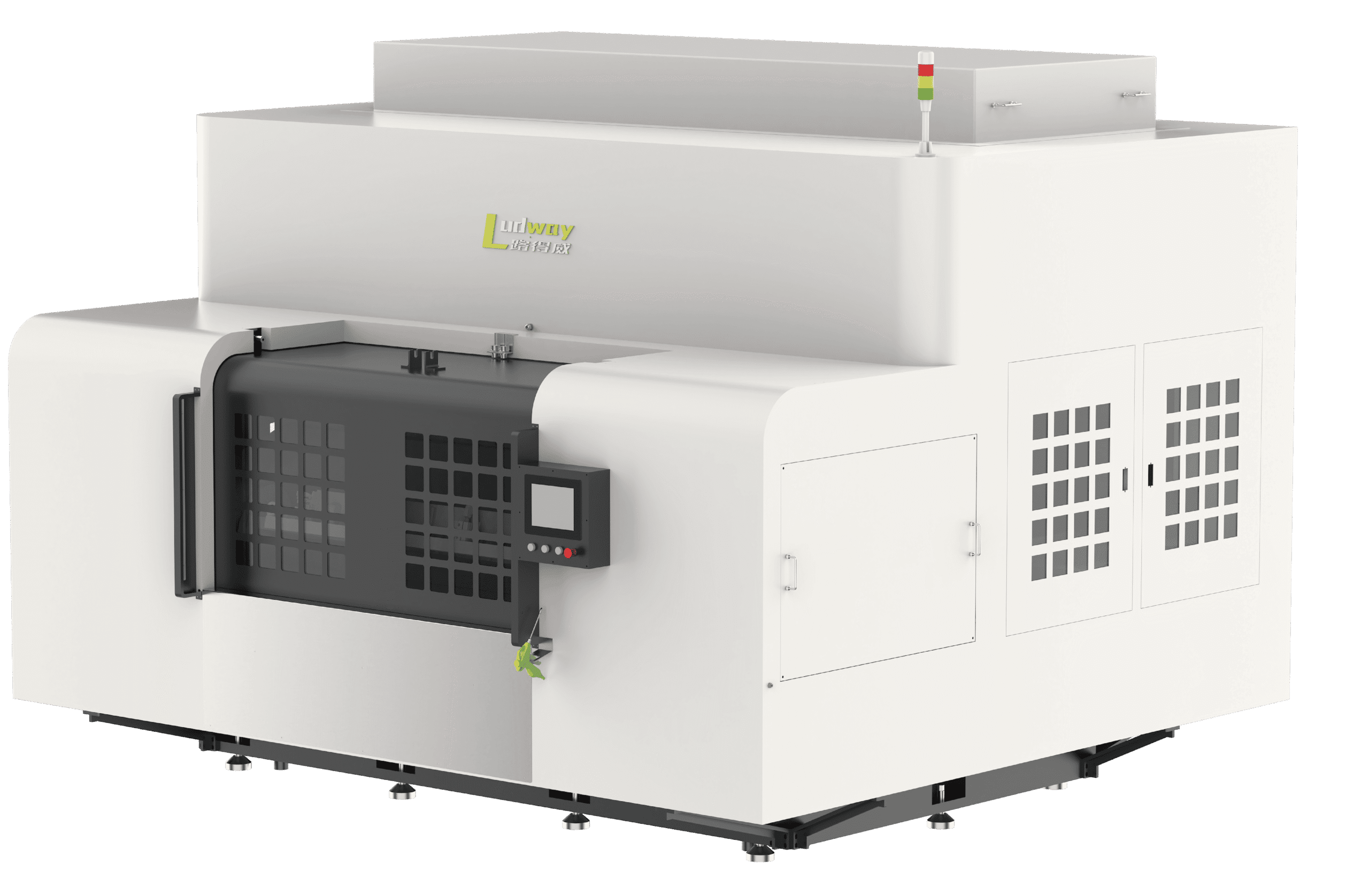
Projetado com sistemas avançados de coleta de pó úmido para processar com segurança o pó combustível de ligas de alumínio e magnésio.
Integração perfeita de linhas
Compatível com os principais PLCs e pórticos de carga/descarga automatizados para uma fabricação realmente sem luzes.
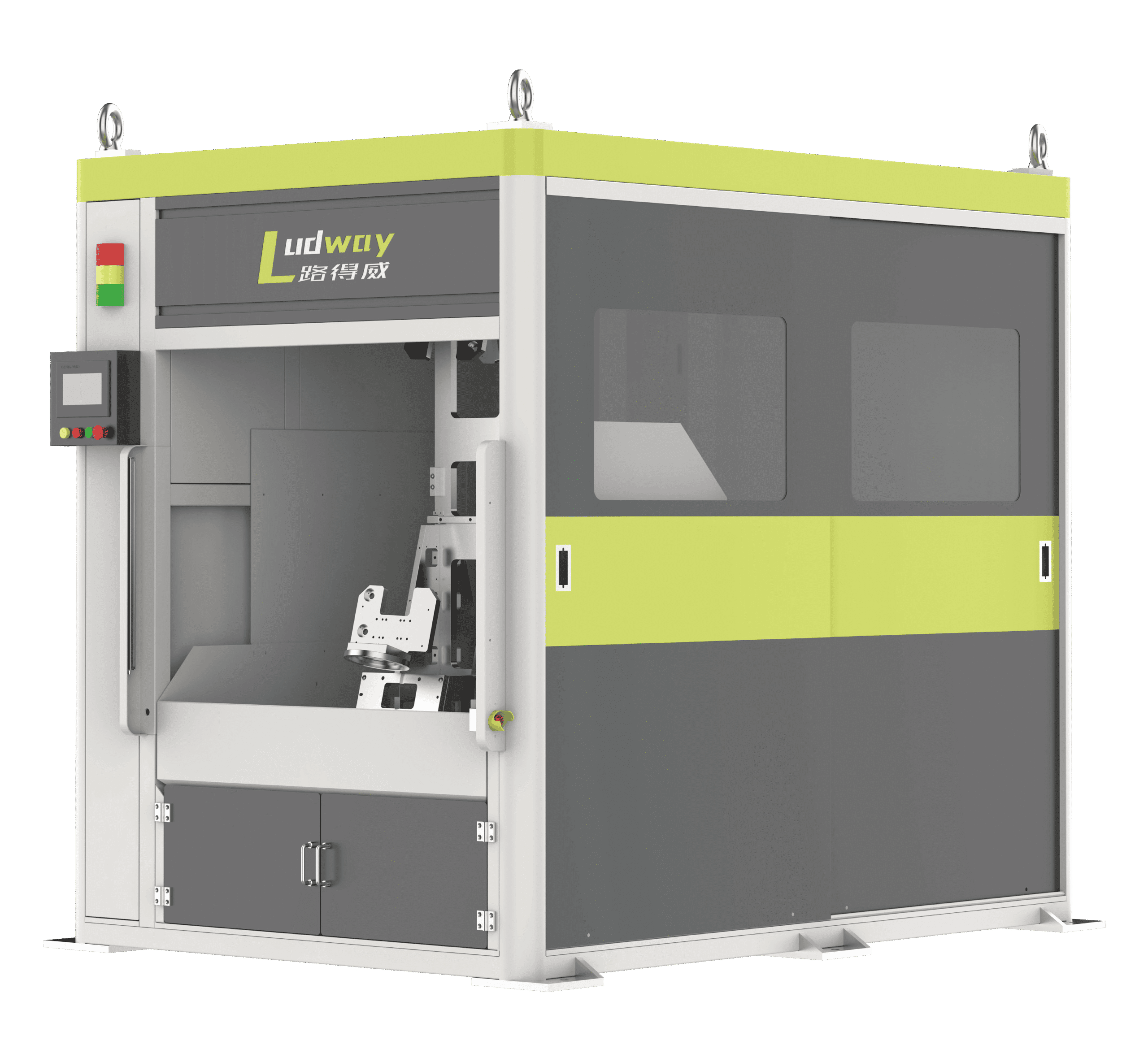
Células Turnkey
Os sensores ativos se adaptam dinamicamente às variações de fundição, garantindo uma remoção consistente de material em cada peça.


Estudos de casos automotivos e de EV


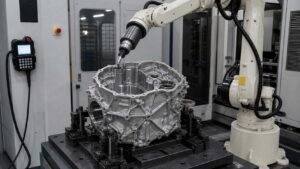
Solução robótica de rebarbação e retificação para a carcaça principal da transmissão CVT em liga de alumínio
Aluminum alloy CVT transmission main housings are large structural die casting components used in continuously variable transmission systems. Compared with a CVT transmission side cover, the main housing has a more complex three-dimensional structure, including large cavity areas, bearing holes, shaft holes, oil passage regions, sealing flanges, mounting bosses, reinforced ribs, thick wall sections and
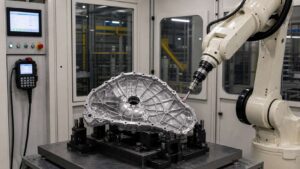

Solução robótica para rebarbação da tampa lateral da transmissão CVT em liga de alumínio
Aluminum alloy CVT transmission side covers are thin-wall die casting components used in continuously variable transmission systems. Across CVT models, the part shows a wide cover body, sealing flange, mounting holes, reinforced ribs, local oil passage areas, boss features and irregular outer contours. After die casting, trimming and machining, burrs, flash, sharp edges and local
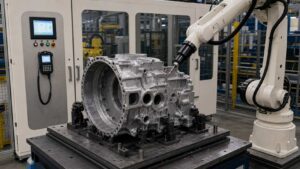

Solução robótica de rebarbação e retificação para carcaças de engrenagens de motor de grande porte em liga de alumínio
Large aluminum alloy engine gear housings are structural casting components used in automotive engine timing and gear transmission systems. As a class, these castings feature a large cavity opening, gear chamber areas, shaft holes, mounting holes, sealing flanges, reinforced ribs, thick wall sections and irregular outer contours, making post-casting deburring and local grinding more complex
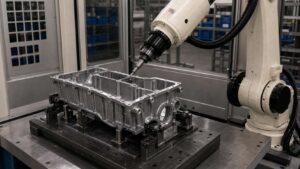

Solução robótica de rebarbação para o conjunto do cárter de óleo do motor em liga de alumínio
Aluminum alloy engine oil pan assemblies are thin-wall lower engine components used to store engine oil, seal the bottom of the engine and support oil return or oil management structures. In common designs, the part centers on a pan-shaped cavity, perimeter sealing flange, bolt holes, drain plug boss, internal ribs, local pockets, oil return areas
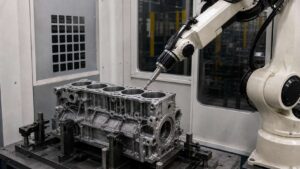

Solução robótica para rebarbação e retificação de blocos de cilindros de motor em liga de alumínio
Aluminum alloy engine cylinder blocks are major structural castings used in automotive engine and powertrain systems. In its common configuration, the part carries cylinder bore openings, crankcase cavities, water jacket openings, oil passage holes, mounting holes, reinforced ribs, side walls and irregular outer contours, making post-casting deburring and local grinding more complex than on simple
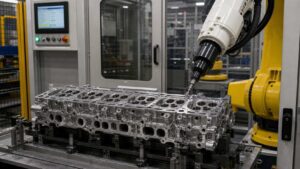

Aluminum Alloy Engine Cylinder Head Robotic Deburring and Grinding Solution
Aluminum alloy engine cylinder heads are complex automotive engine castings used to form combustion chamber areas, support valve-train components and connect intake, exhaust, cooling and lubrication passages. Across common cylinder head designs, the workpiece brings combustion chamber edges, intake and exhaust ports, water jacket openings, oil passages, spark plug or injector holes, bolt holes, machined
Comprove o ROI de suas próprias peças automotivas
Envie-nos seu componente fundido ou soldado mais resistente para obter uma Prova de Conceito gratuita. Você receberá:
- Vídeo gravado de processamento robótico.
- Tempo de ciclo preciso (CT).
- Análise clara do ROI para seu investimento.
Brake & Chassis Components
- Brake disc robotic grinding solution—Cast discs arrive with parting-line flash on the outer rim and uneven friction-ring surfaces. The case covers rim and balancing-rib grinding that protects the finished braking surface.
- Brake caliper robotic grinding solution—Caliper bodies combine heavy die-cast flash with machined threads and sealing faces that must stay burr-free. The walkthrough details force-controlled grinding around the piston bore and bridge.
- Brake backing plate robotic grinding solution—Stamped backing plates carry sharp punched edges and weld spatter that interfere with friction-material bonding. Includes edge radiusing matched to stamping-line cycle times.
- Caliper bracket robotic grinding solution—High-volume bracket castings trap burrs around bolt holes and pin slides that stall assembly lines. The case shows fixture design for running mixed bracket families in one cell.
- Steering knuckle robotic grinding solution—Forged knuckles pair complex 3D geometry with tolerance-critical bearing bores. Multi-axis path planning deburrs machined faces and radiuses edges without touching finished bores.
EV & Drivetrain
- EV battery tray robotic grinding solutions—Welded aluminum trays need long MIG and laser seams flushed flat without thinning the weld, plus edge deburring ahead of leak testing. The reference build for structural pack lines.
- Crankshaft robotic grinding solution—Crankshafts require burr-free oil holes, journal fillets and counterweight profiles with zero nicks. Covers workpiece rotation handling and post-process inspection gating.
Aluminum Powertrain Castings
- Aluminum transmission bell housing deburring and grinding—Large bell housings concentrate burrs in deep internal pockets and around the clutch bore where tools barely reach.
- Aluminum cylinder head cover deburring—Thin-wall cam covers distort under aggressive contact; low-force deflashing keeps gasket sealing surfaces flat.
- Aluminum bearing ladder frame deburring and grinding—Ladder frames pair a wide parting line with closely spaced bearing saddles that cannot be over-cut.
- Aluminum engine bedplate side wall deburring—Bedplate walls combine long straight edges with stiffening ribs; the case covers rib-root deburring tool selection.
- Aluminum cylinder block skirt frame deburring and grinding—Skirt frames have thin projecting walls where chamfer consistency drives piston assembly fit.
- Die-cast motor housing deflashing and deburring—Traction motor housings blend flash removal with fin-edge cleanup that directly affects thermal performance.
- Alloy wheel robotic polishing solutions—Wheels need spoke-face polishing and barrel blending to a Class-A cosmetic standard before clear coating.
Process Guide
- Die casting deburring automation: process chain guide—Maps where robotic finishing sits between the trim press and machining, with equipment selection logic for mixed casting families.